
“The world is a kind of book, in which he, who has seen his own country only, has read but one page…”. Longfellow
What is a Travelogue?
A travelogue is basically a description of one’s travels. YouTube, WordPress, TikTok, Facebook, and Instagram are inundated with travelogues. Many influencers make a living today by posting travelogues for these sites and being paid for sponsorship.
Imagine finding a travelogue today WITHOUT photos—the descriptions must be in words and must ignite one’s imagination. Would you still read it?
Outre-Mer: A Pilgrimage Beyond the Sea
In 1831, Longfellow created one of the first “travelogues” or “travel sketches” , Outre-Mer: A Pilgrimage Beyond the Sea, which depicts distinctive features of each European country Longfellow visited. Photography was new at this time so it was unrealistic to expect photos. According to Thomas H. Pauly in his article “Outre-Mer and Longfellow’s Quest for a Career”, the original intent of Longfellow to travel around Europe and subsequently publish his travel sketches of his experiences was to show the value of his profession as a teacher of European languages and literature (New England Quarterly, 32). This “literary” experience would help him prepare his duties as Bowdoin’s first professor of modern languages and make him a better teacher. I love this.

Longfellow set out to provide something different in his travelogues. He wanted to break away from conventional guidebook information in which the account resembles the speech of a tour director with its disjointed sequence and presumed authority (38). Longfellow had scolded one of his colleagues, Slidell, who had previously traveled and written travel sketches of his trip to Spain saying that his writings did not provide useful and valuable information; “only dreamy sensations and vague recollections of a sunny land” (Pauly, 33).
It took Longfellow over six years to complete his travelogue which is understandable as he traveled all through Europe in the early 1800’s. In Outre-Mer, Longfellow incorporated diverse materials such as original letters, sketches he wrote for New England Magazine, two scholarly essays he contributed to North American Review, and a variety of translations (31).
According to Pauly, Longfellow had no “preordained plan” but rather determined his literary course on the basis of what he found himself (31). This is one reason that Outre-Mer is so compelling to me; it is pure, raw, spontaneous, and personal.
Language Acquisition while traveling abroad
Longfellow believed it was important to learn the languages of the places in Europe he would visit while writing Outre-Mer:
“The mere acquisition of a language is not the ultimate object…it will be my aim not only to teach the turns and idioms of a language, but to direct the student in his researches into the literature of those nations whose language he is studying”(37).
He had to take into consideration, of course, that this might not appeal to his readers back in America, which proved to be correct. After submitting an article from his Outre Mer series which included French translation and pedagogical texts, his subscriptions decreased. I am so glad he was determined to continue this course despite the unfavorable reception back home.
Longfellow decided to try another tack—if educated American readers had been put off by his scholarly discussions of Europe languages, perhaps he could interest them in Europe itself. He had freedom to introduce his readers to the Europe he had toured and studied—the language, culture, history, dress, and lifestyle.

First Responses Abroad—please take this journey with me!
Geoffrey Crayon, in his article “The Author’s Account of Himself”, explains that Longfellow longed to “escape America’s commonplace realities and lose himself in the shadowy grandeurs” by presenting his first responses to particular experiences(41).
Longfellow opens his arrival in Paris with a colorful stage-coach ride from Le Havre, Normandy, to Paris and claimed, “I felt that I was in a prosperous, hospitable, and happy land”. He then narrates his elation and since of easy adjustment in describing different elements of the landscape which “lie open to the eye of the traveler, and…to welcome him with open arms”(1,14).
My First Responses Abroad!
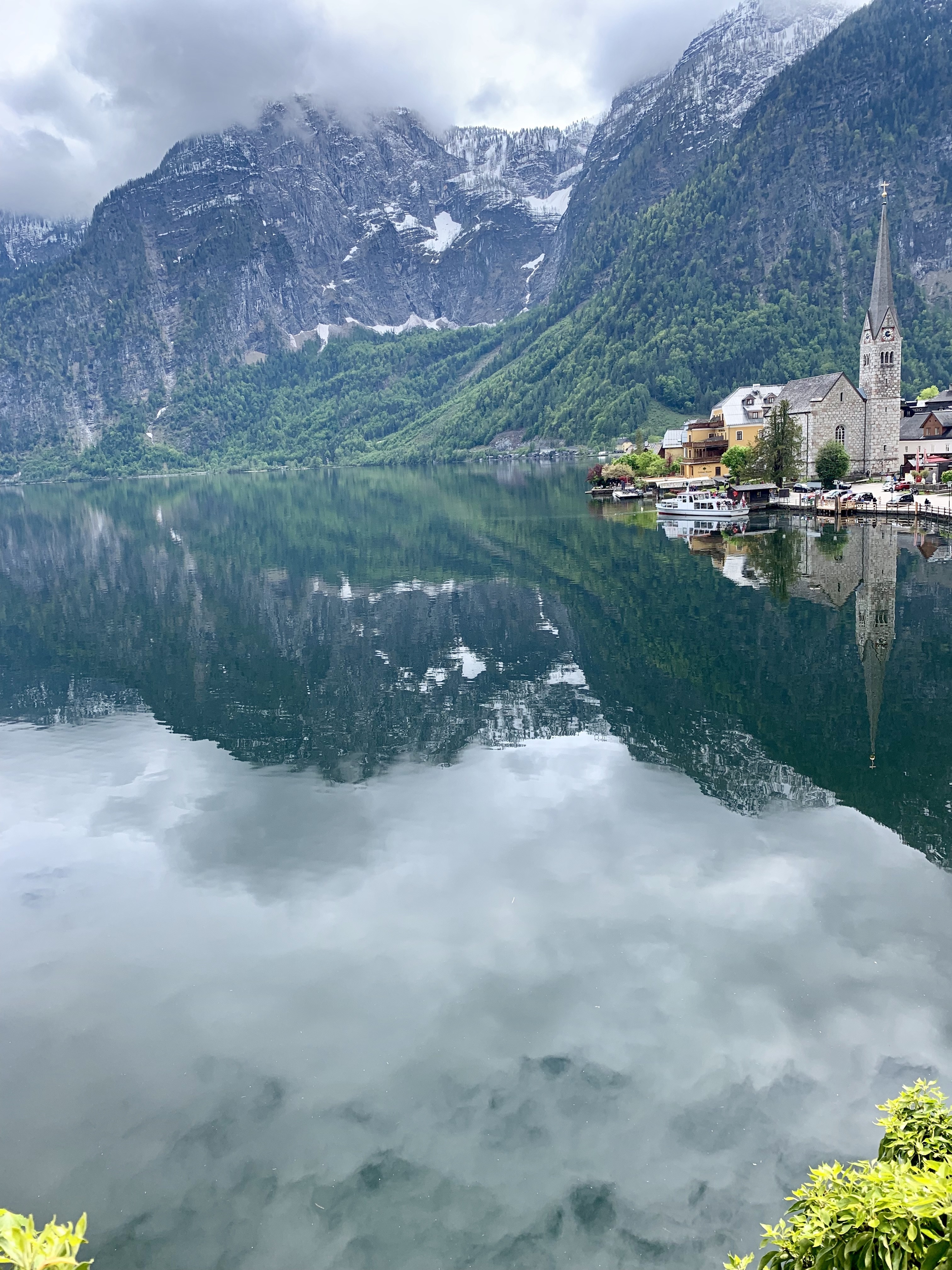
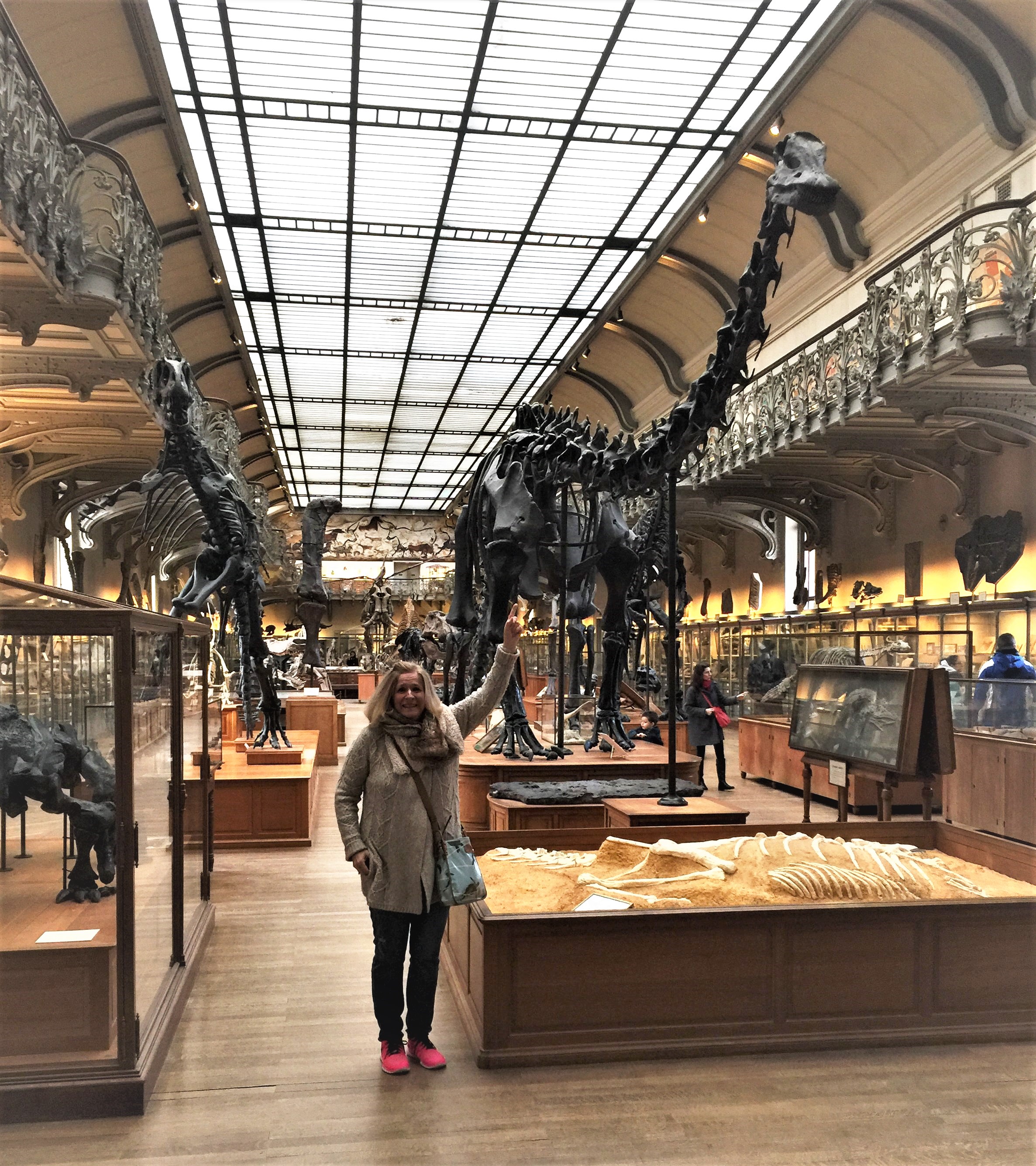
I still vividly remember having a visceral reaction to my first responses in Europe to seeing: the Eiffel Tower; the Louvre (in 1976, Pre-Pyramid!); the cliffs at Ètretat; Hallstatt, Père La Chaise cemetery, the Cathedrals of Notre Dame, Paris, Chartres, Rouen, Saint-Germain des Pres; paintings of Van Gogh, Monet, Renoir, Dürer, da Vinci; all of Prague; the Galerie of Paleontology; there are so many unforgettable “first responses” that I could go on and on. I am constantly trying to recreate these special feelings and physical responses of elation on return trips, to no avail! As you are reading this, what things come to your mind?


The Characters
One striking feature of Outre-Mer is the unusual prevalence of character sketches. To Longfellow, French society proves as accommodating as the landscape. His preference for humanity over scenery and landmarks involved awareness of these “Individual human beings” who were just living their lives (44) !
This is a wonderful aspect of traveling abroad for me—examining the social aspects, dress, language, gastronomy, architecture, etc. of each new culture and engaging with the “individual human beings”, just living their lives.

Work Cited
Henry W. Longfellow. Outre-Mer: A Pilgrimage Beyond the Sea. Philadelphia: McKay Publisher. 1892.
Eric S. Robertson. Life of Longfellow. London; Walter Scott 1887
 My French Quest
Wonderful post Robyn. I love the opening quote you used from Longfellow and agree that his decision to follow his heart, rather than succumb to the whims of a broader readership was the right one.
As far as visceral reactions to experiences abroad, I’ve certainly had many. For some reason your photo from 1975, reminded me of one I had in France last year. Like Longfellow, when traveling, I try to immerse myself in the local culture. In December of 2023, while staying in Vincennes, I decided to watch an Agnes Varda film that was available on Youtube for free. Have you seen Daguerréotypes? If not, I highly recommend it. Varda made it in 1975, the year of your photo and the film documents the lives of various merchants living in la Rue Daguerre. What a precious time capsule!
Portions seem familiar to me (the first time I visited Paris was 1974) and portions seem well before my time. Something about the movie, however, pierced my heart and I still treasure it.
Amicalement, Carol
Thank you Carol, I’m glad you enjoyed this post on Longfellow and I will look for this Varda film, how fun! Was your 1974 visit to Paris with family or a tour group?
I always enjoy your blog and reading about your unique adventures in French culture. Robyn
That was the first time I went to Europe. My mother had gone back to teaching six years earlier and had scrimped and saved to afford a five week trip with me and my sister. Poor dad had to work. From Europe, my 21 year old sister went on to Africa, by herself for 6 months. That was the real adventure!
What a wonderful gift to give you and your Sister which continues to enrich your life. Thank you for sharing!
I hope you like the film Robyn. Let me know what you think.