Overview
The Renaissance is a period in which Western civilization rediscovered the ideas, knowledge, and philosophy of the Greeks and Romans. The most important Renaissance era for France is the Sixteenth Century, marked by the end of La Guerre de Cent Ans (the Hundred Years’ War) and the conquest of Constantinople (l’ancienne Byzance). The Renaissance movement originated in Italy and marked a rebirth of the sciences, philosophy, and ancient letters. From an architectural perpective, the Renaissance period is my favorite. The influences are still very prominent across France, evident in churches, hotels, châteaux, museums, and parks.
There were also many changes in the religious movement during the French Renaissance. Previously in the Moyen Age, Christian religion taught that the atonement of life existed for eternal life; that the body was not important. On the contrary, the Renaissance movement emphasized the importance of life on earth, nature, things of this world and human reason. The individual was examined, his freedom of thought, the complete man. Martin Luther led a movement of religious reform against the catholic church in 1520, supported by Jean Calvin, a Protestant. This conflict soon erupted into the Guerres de Religion following the Saint Bartholomew’s Massacre of 3000 Protestants.
Les Valois (1328-1589)
François I

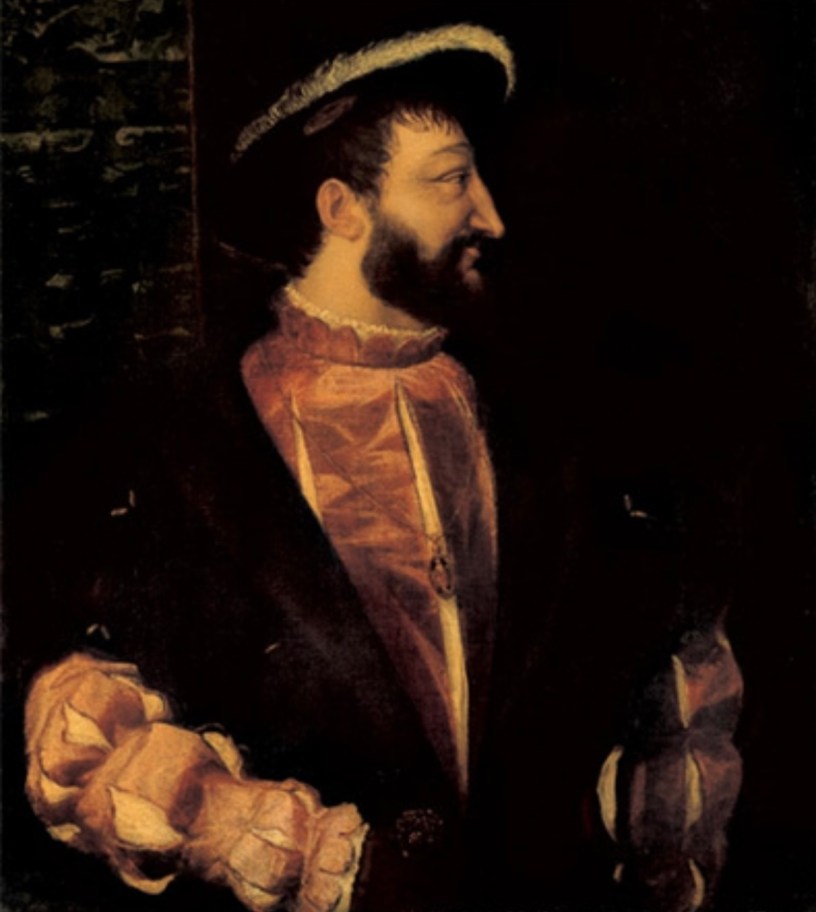
There were several important French monarchs during the Renaissance period; however, I will mainly focus on François I for this post as most of the Renaissance influence was made possible by him and he is my favorite French king! I was greatly inspired to learn more about his life after visiting his Châteaux in the Loire Valley and by reading Desmond Seward’s excellent biography of François I in Prince of the Renaissance. My daughter, Lorin, a Professor of History and a British historian, and I have considered collaborating on a book about the important diplomatic campaign and ensuing friendship between François I and Henry VIII after their meeting at the Field of Cloth of Gold in 1520.
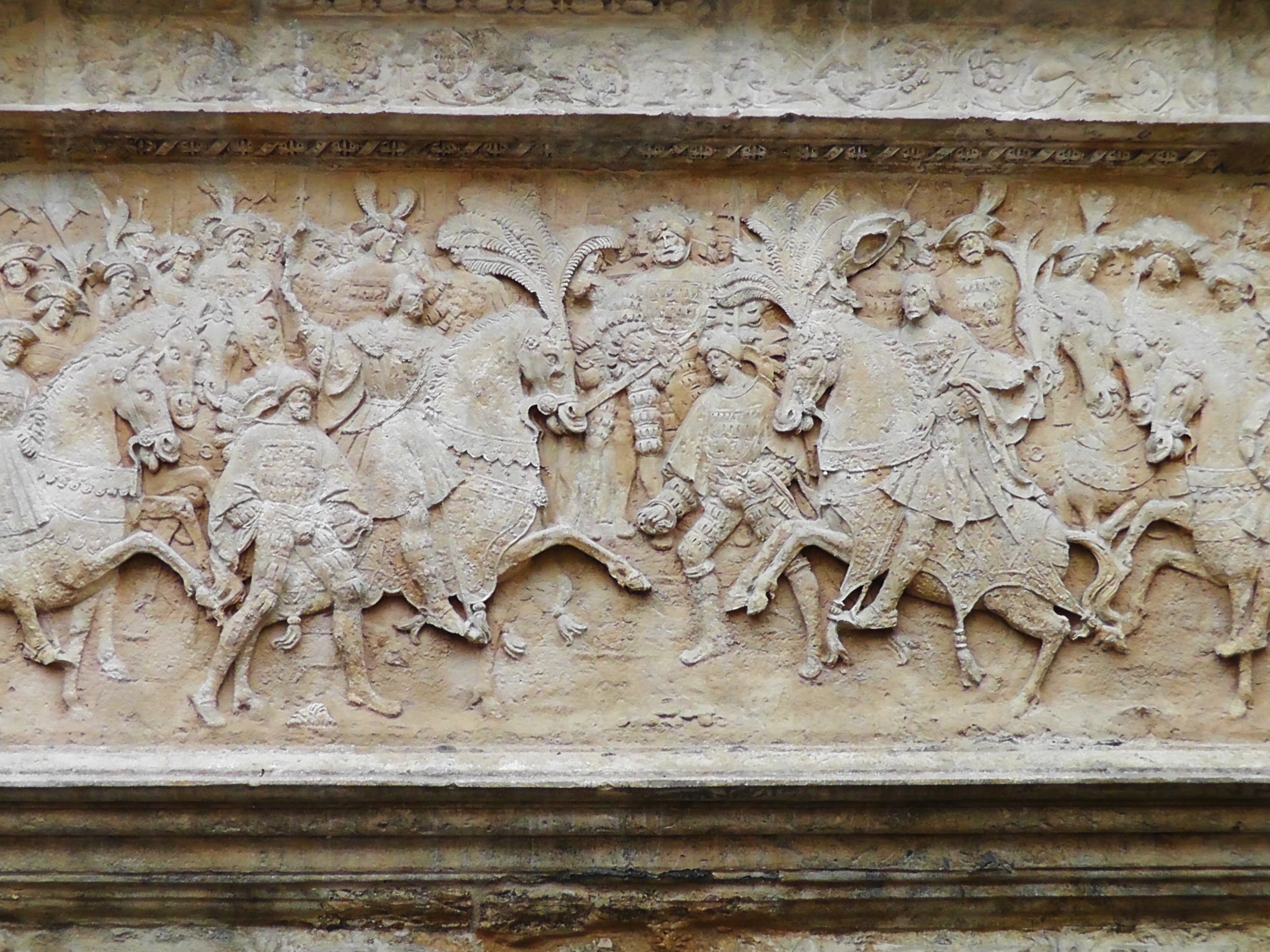
Francois was a young, rich, and powerful King, and upon his return from Italy and his visit with Pope Leo, he was determined to make his court a center of art and learning. Therefore, he incorporated many Renaissance ideas into the French way of life. Many rulers have dominated their age with a superb personal lifestyle, such as Louis XIV, or have become a great aesthetes like the Medici monarchy. However, François I did both, and he personifies the French Renaissance of the sixteenth century (12). When Francois was born in 1494, France was still Gothic. When he died in 1547, the French Renaissance was at its peak. According to Seward, “The reign of Francois I is the most radiant, the most creative in French history…no ruler since Charlemagne has had a more direct influence upon the civilization of France”(13).
François I invited Erasmus to become the chancellor of a college for the study of Greek, Latin, and Hebrew. He also appointed many poets, painters, and scholars as gentlemen-in-waiting. Raphael and Titian painted his portraits. Leondard da Vinci and Andrea del Sarto were his court painters. Francois invited da Vinci to live on his estate in Clois Luce after being overwhelmed by the Last Supper, which he viewed in the Friary of Santa Maria delle Grazie during his visit to Milan. Da Vinci remained here until his death and is buried in a chapel adjacent to Francois’s Chateau d’Amboise (see more about the great mentorship between Francois I and da Vinci in my post )

Henri II
François’s I son, Henri II, took over the rule of France in 1547 after his father’s death. He married Catherine de Médicis, from Italy, in 1533. He and Catherine had three sons, Francois II, Charles IX, and Henri III, who became kings following Henri II’s untimely death during a recreational joust. Unfortunately, each of Henri II’s sons also died or were assassinated early in their lives and left no direct heir to the throne. Therefore, after a direct descendant of Louis IX, Henri IV, became the next King of France.

Les Bourbons (1589-1820)
Henri IV
Henri IV, known as “The Good King Henri” and “Le Vert Galant”, began his rule in France in 1574 following his marriage to Marguerite de Valois. Due to much pressure and threats on his life, he soon converted from Protestantism to Catholicism as he said, “Paris vaut bien une messe” (Paris is worth a mass!).
He also married Marie de Médicis in 1600. The Louvre Museum has devoted a grande salle de peintures, by Peter Paul Rubens, to the life of Marie de Médicis from her first step on French soil, The Disembarkation at Marseilles, to her ascension into heaven to be reunited with Henri IV, assassinated in 1589. .

Architecture
Antiquity is its literature and its art. While the effects of the Moyen Age can still be seen in Paris in the churches of Saint-Germain-des-Pres, Notre Dame, and Saint-Julien-le-Pauvre, as well as on rue Saint Jacques, the characteristics of Renaissance architecture can still be observed throughout France. This includes many Italian influences:

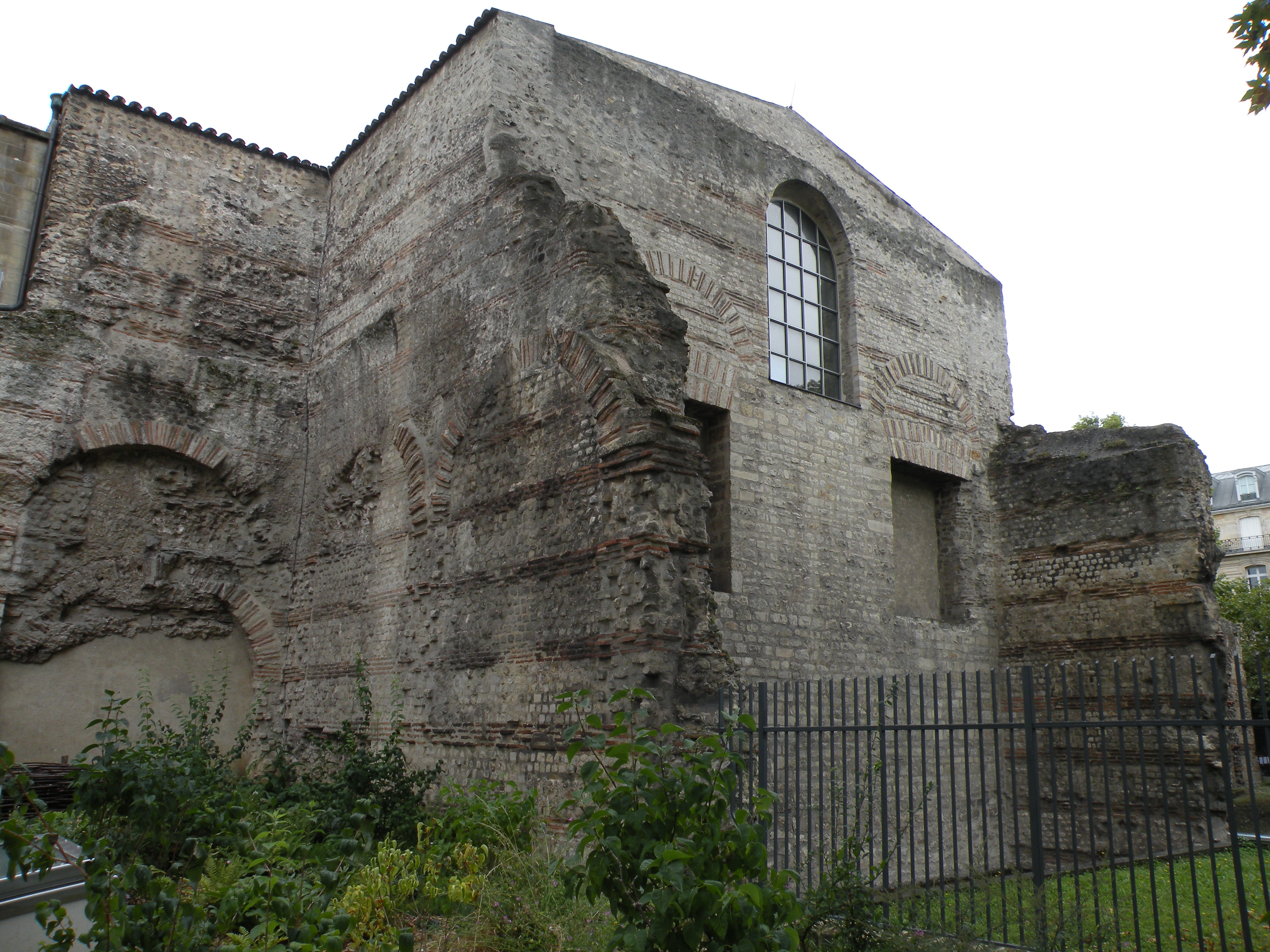
1) exterior: includes large windows designed to let in more sunlight, arabesques, grotesques, balustrades, medallions with faces, and triangular frontons. Roman columns also made a comeback in fashion, featuring the Doric stylefrom the 6th century, as well as Ionic and Corinthian styles. These can be seen in many churches and civic buildings in Paris, including the Cour Carée du Louvre, L’Eglise Saint-Eustache, and Hôtel de Ville.
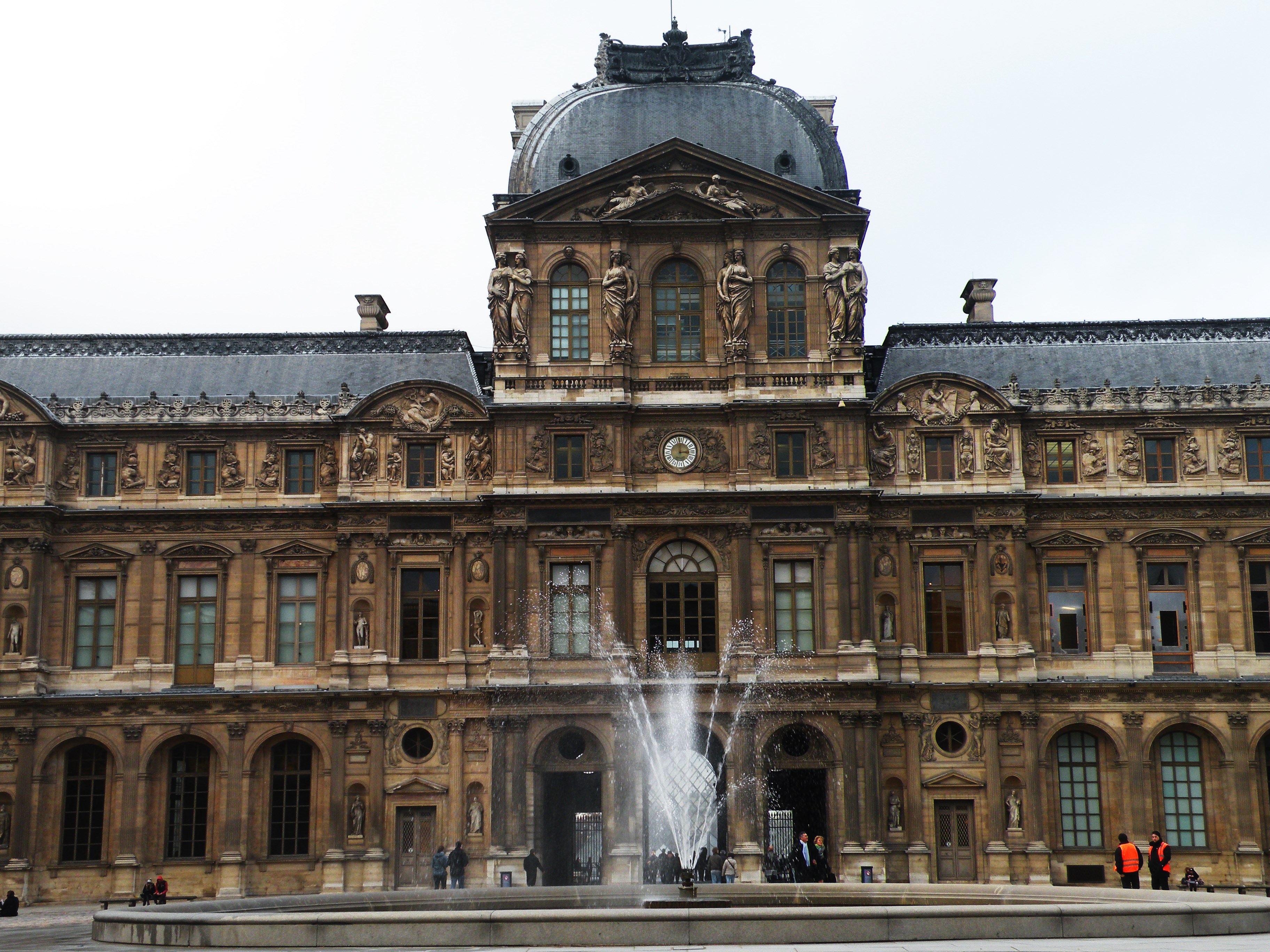
Cour Caree, Musee du Louvre, 2009
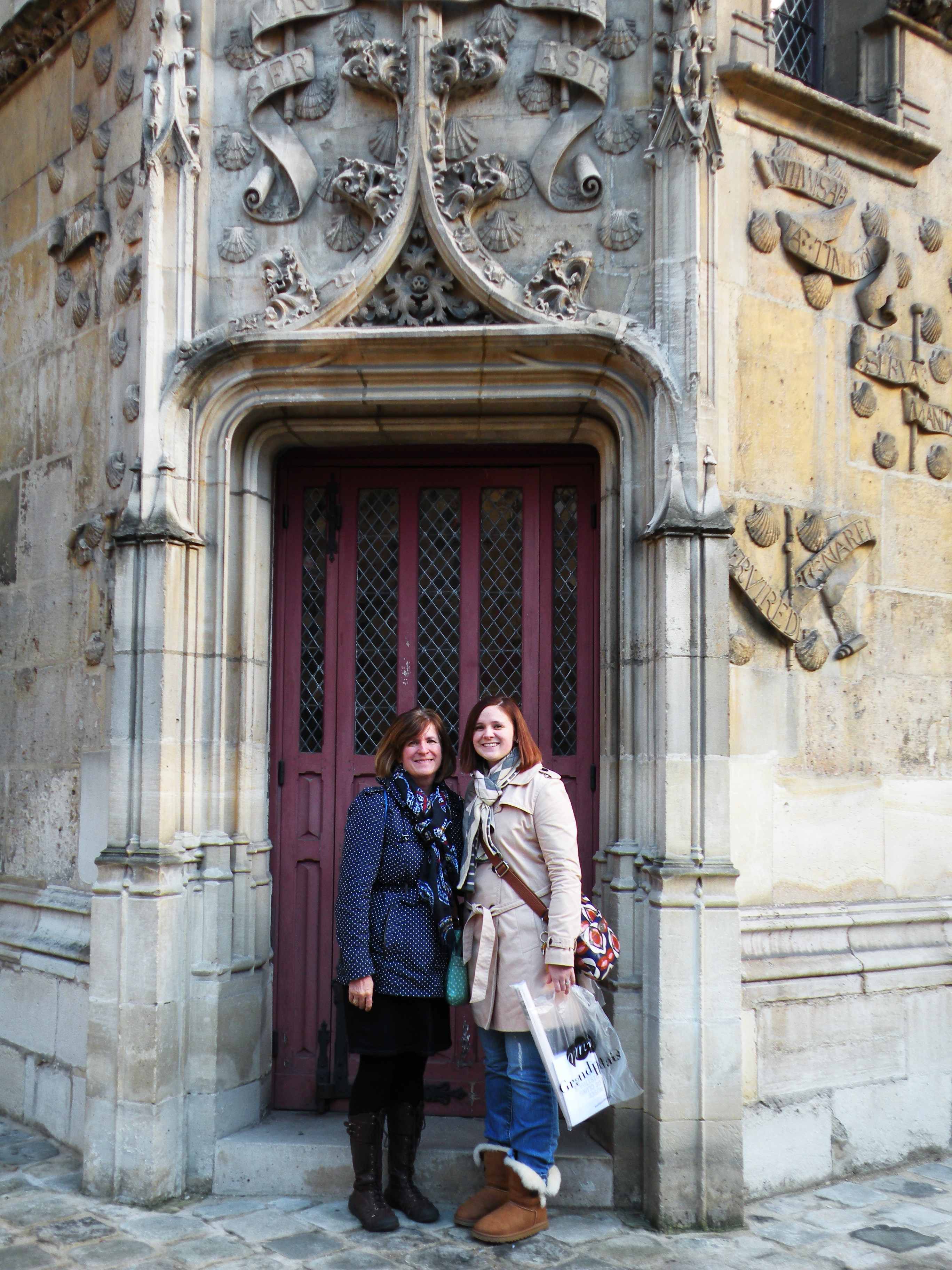
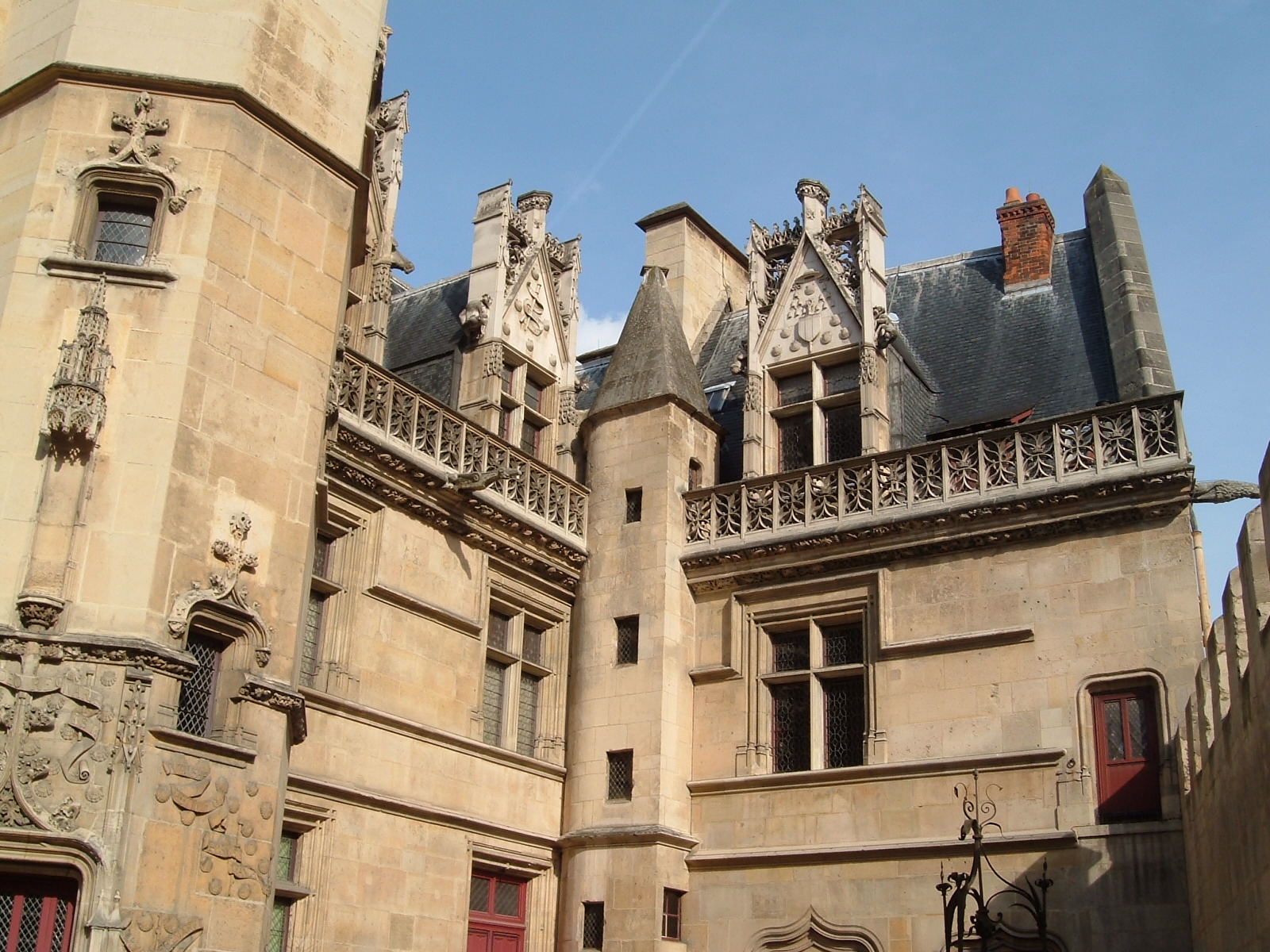
2) interior: includes plafonds, caissons, large fireplaces with rectangular mantles, and ornate sculptures with gothic influence. The gothic flamboyant style was reconstructed in the Abbey of Cluny with its profound voutes, detached garden in the back, and on the rue Saint-Martin. Additionally, the first table with feet was introduced alongside the high-back armchairs, and the four-poster beds.
My favorite architectural influence of the Renaissance can be seen in the Loire valley, south of France, in the chateaus built by Francois I in Chambord, Chenonceaux, Amboise, and Fontainbleau (see my post https://frenchquest.com/2014/07/06/lhistoire-dart-francais-part-i-moyen-age-to-realism/)
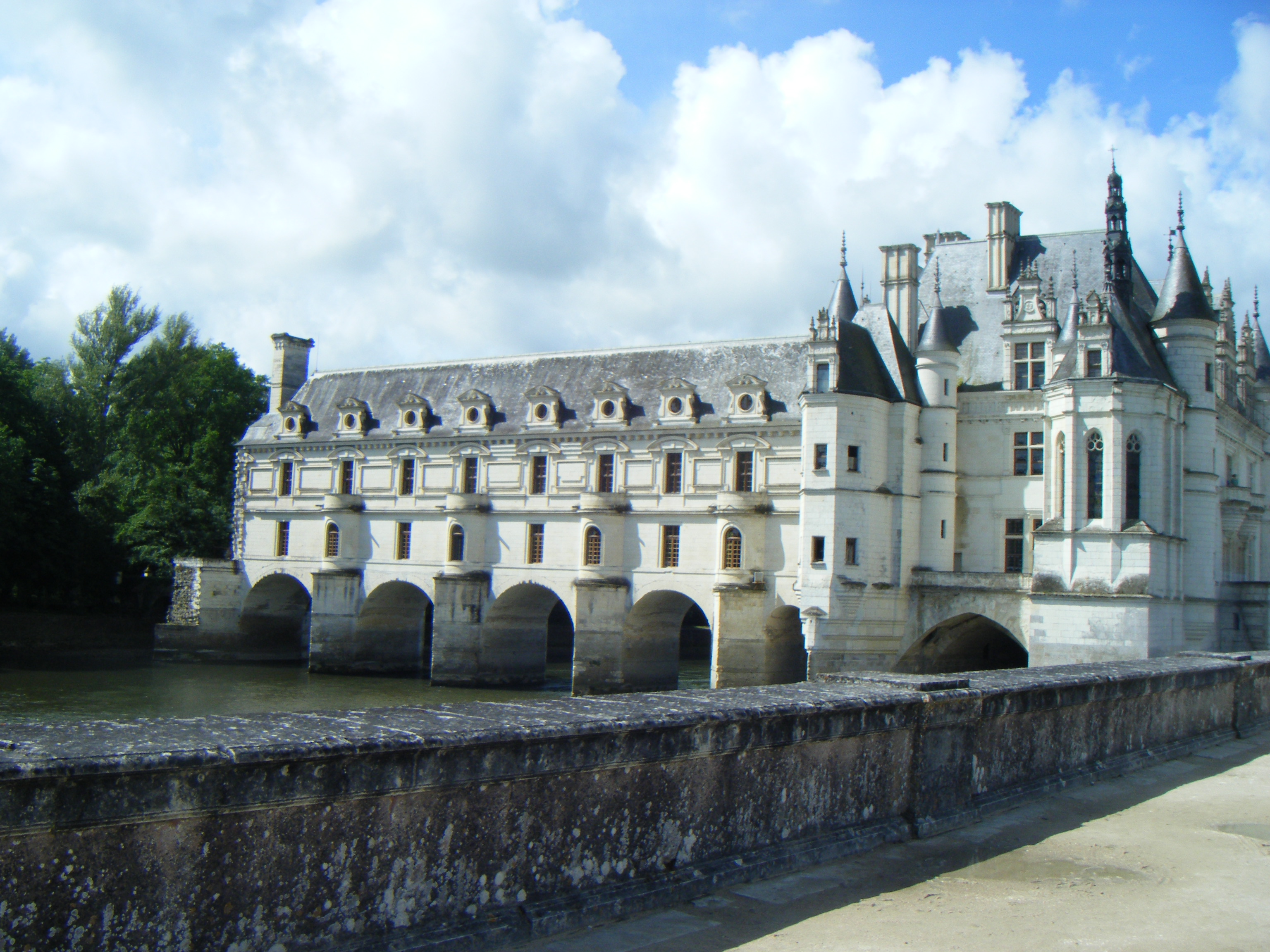
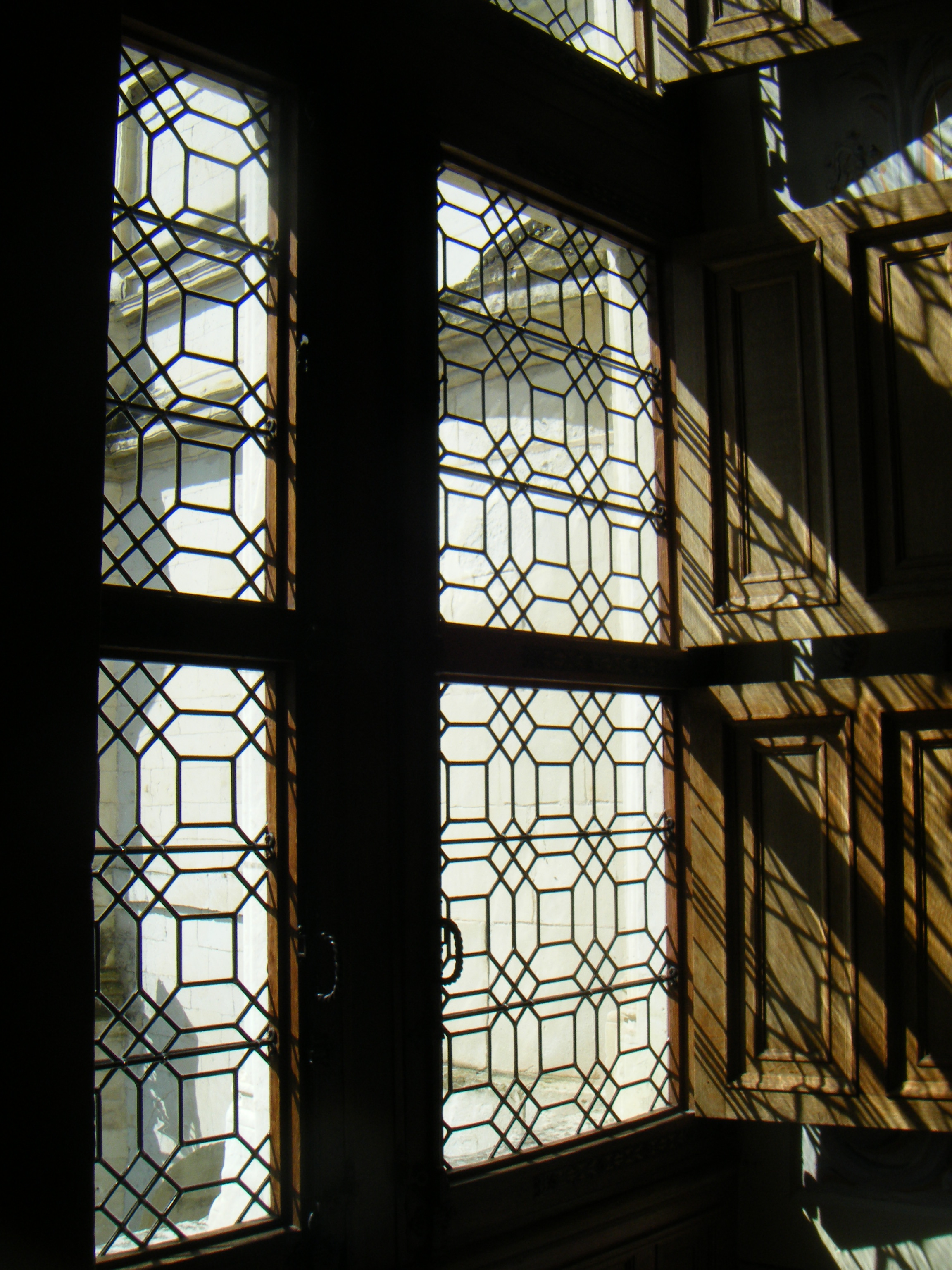
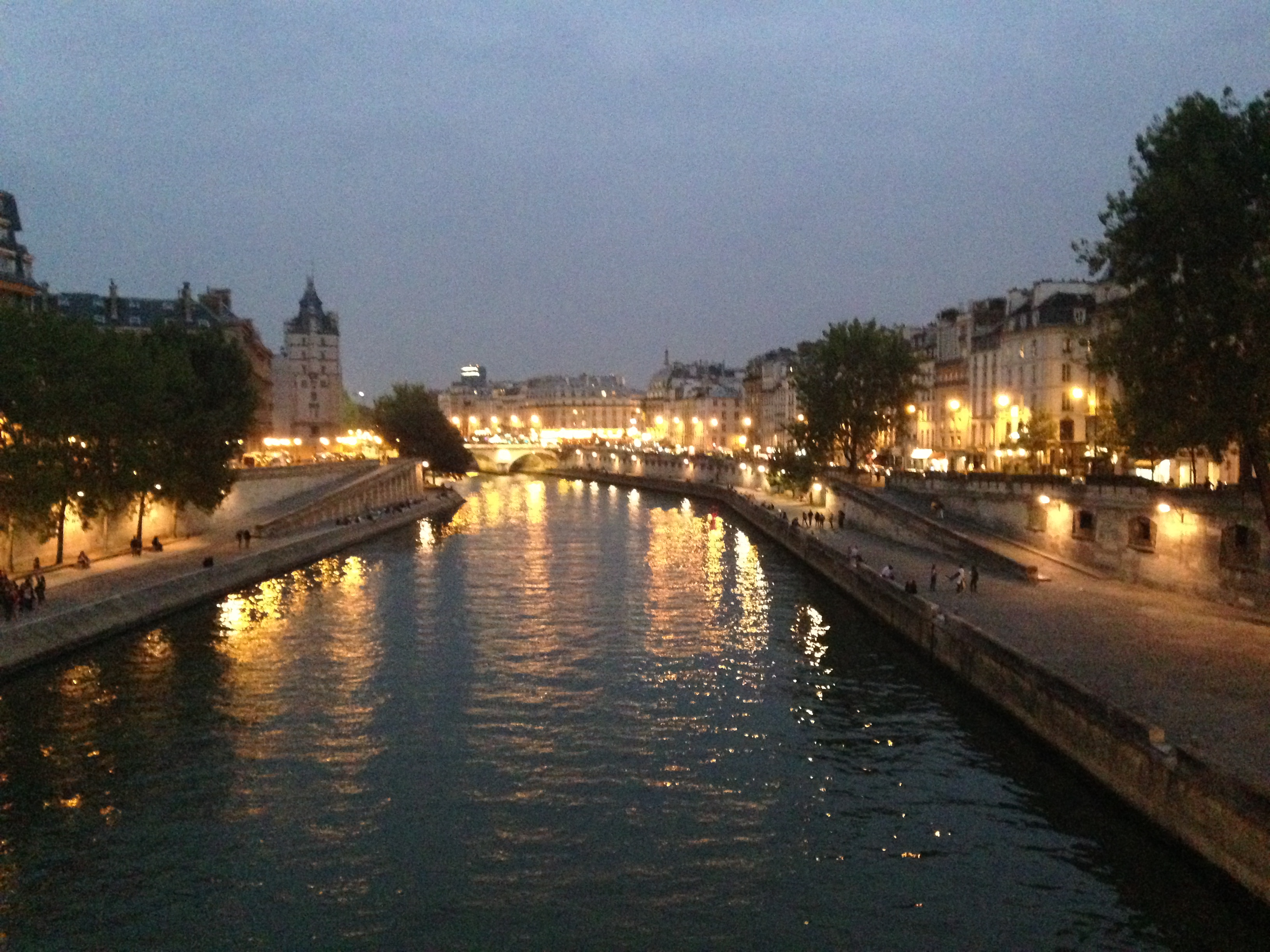
Finally, the late Renaissance influence can still be seen in Paris in the Pont Neuf bridge, the Place Dauphine on île Saint-Louis, the Place des Vosges (Pavillon du roi influenced by Henri IV) and in the façade and the jube of l’Église Saint-Etienne-du-Mont.
Literature
The French authors of this period are making a name for themselves across Europe through their humanist’s writings. Rabelais, de Navarre, and Montaigne are writing about the human condition and asking “Que sais-je?”(What do I know?). Montaigne creates a new genre of the Autobiography. The poet Ronsard writes about human immortality, love and nature , and in his Sonnets pour Hélène, writes, ”Cueillez des aujourd’hui les roses de la vie » (gather today the roses of life), which has become a much-quoted phrase.
Science and Discoveries
Finally, during this era, there were significant discoveries in Western Civilization: the first printing press in France ( 1470), Christopher Columbus’s discovery of America (1492), Vasco de Gama’s arrival in India (1498), and Jacques Cartier’s discovery of Canada (1534). In France, Ambroise Paré, “The Father of Modern Chemistry” discovered the life-saving procedure of ligating the arteries after an amputation.
Works Cited
Kessler, M. Cours de Civilisation de la Francaise, Sorbonne Université. 2012
Ravise, J. Suzanne. Tableaux culturels de la France. NTC Publishing, 1995
Seward, Desmond.(1973). Prince of the Renaissance. Macmillan Publishing Co: New York, NY
 My French Quest
Thanks so much for your great overviews, plus with neat pictures!
Thank you!
We visited both Chenonceaux and Chambord when we were in France a couple of years ago. I would love to go back and explore more in the area!
Yes, be sure to add the the Chateaux Amboise and Clos Luce, where Leonardo da Vinci lived, to your next visit! Robyn