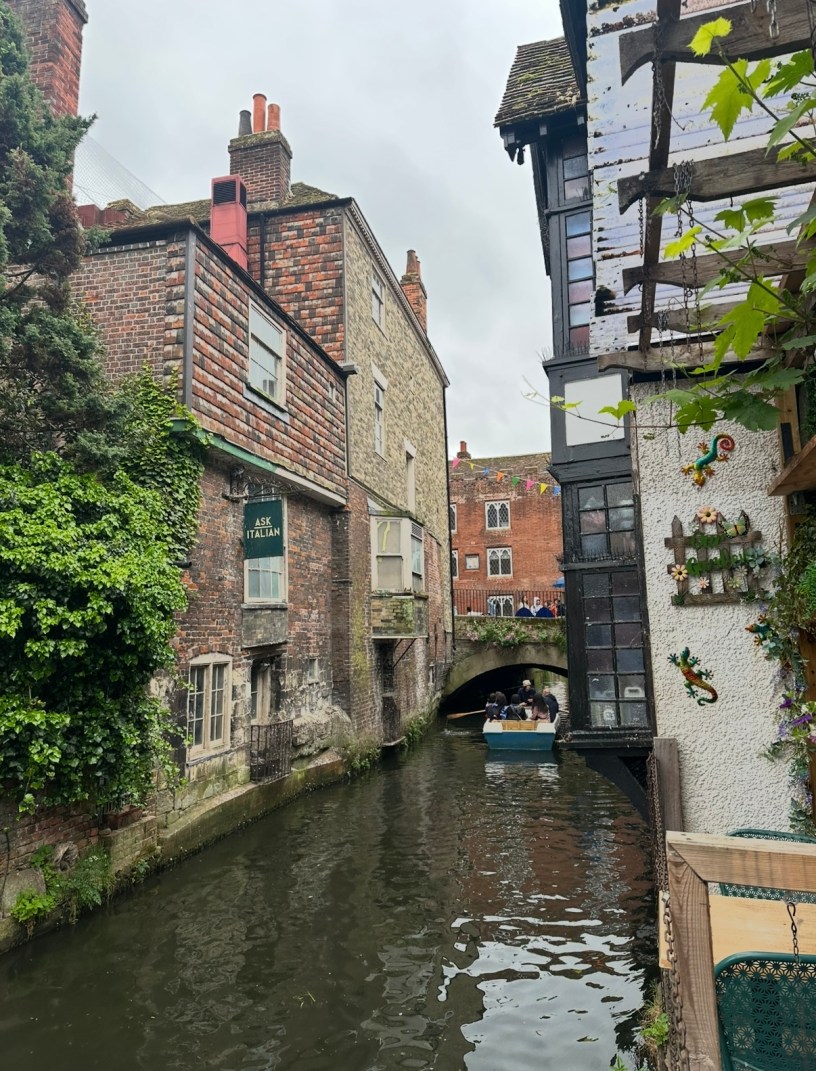
In 1929, G.K. Chesterton published a book of essays titled Generally Speaking in which he devotes one essay to the predicament of the “Englishman Abroad.” As a recent American traveling abroad to England last May, I was particularly interested in Chesterton’s observations from 1929 of both national character and cultural expectations.
He starts his essay with a reminder: that the Englishman abroad “made himself too much at home.” He treated a foreign hotel as though it were a shabby inn at home, quarreled in public as though in a low tavern, and demanded comforts simply because they were familiar. To Chesterton, this posture was less that of a civilized Englishman, or tripper, than of the brash “American traveler”.
On the contrary, Chesterton observed that the Englishman abroad rarely demanded the most English of things. Rather, he desired the things that he had already lost in England, and could hardly hope to find in Europe”(43). For example, when he asked for a drink, he asked for a “Scotch drink” and even humiliated himself by calling it “Scotch”. He began playing golf instead of cricket, which was more American than English.

He understands, of course, that for an Englishman to demand tea in all the cafés of the Continent was as unreasonable as a “Frenchman roaring to have red wine” included in his bill in “Tooting” (I’m assuming this is a hamlet in England?) –or an American to demand ice-cream-sodas in the plains of Russia! (44)
“This bizarre contradiction and combination of the blind acceptance of some foreign things and the blind refusal of others, does seem to me a mystery to be added to what is perhaps the most mysterious national character in Christendom”(44).
Chesterton believes that the things which England has most reason to be proud are the things which England has preserved out of the ancient culture of the Christian world. All the rest of the world has neglected them. These things have been largely lost in Europe; for example, the English Inn is more of an institution compared to other countries.

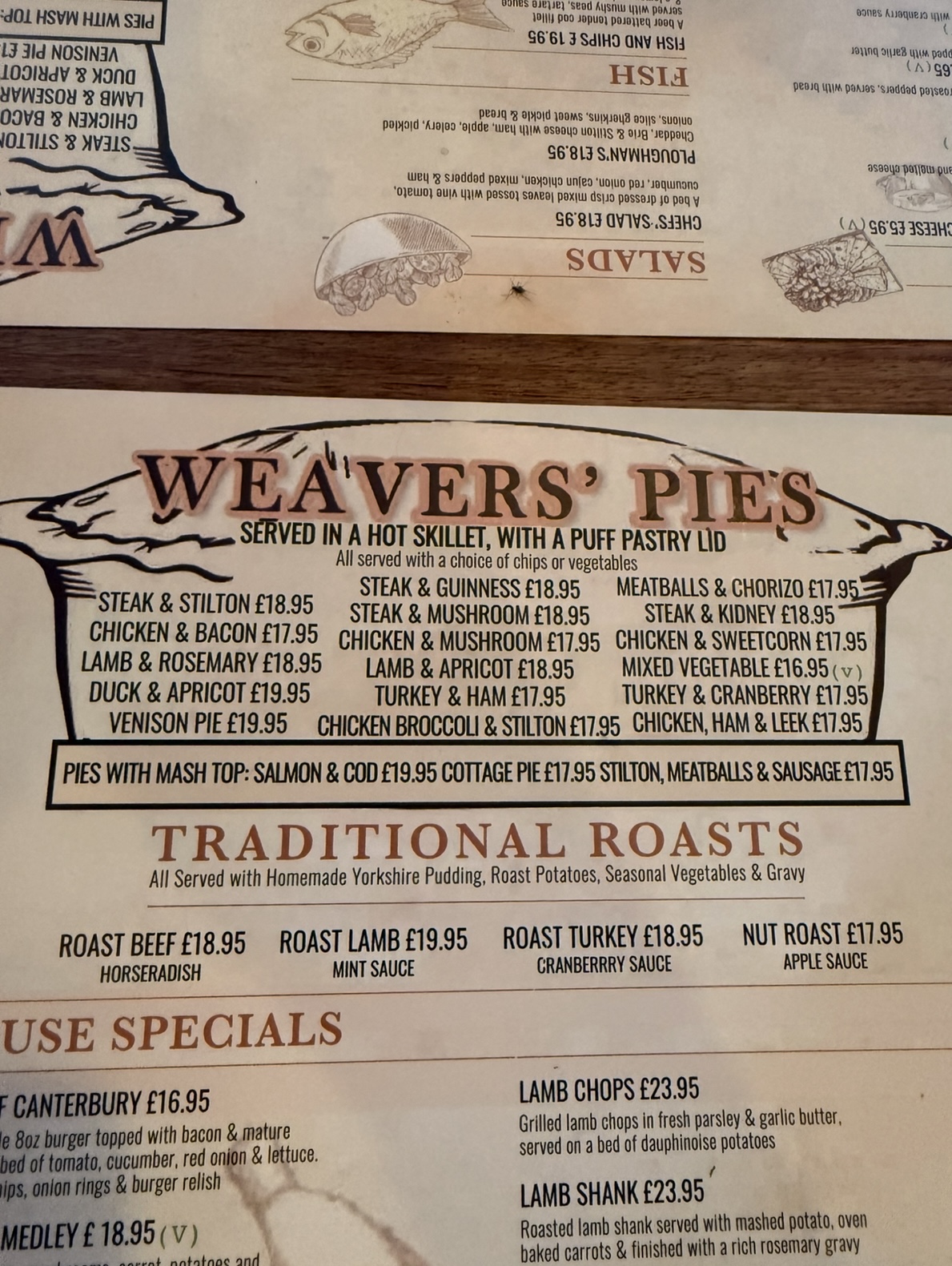
When I was searching for lodging in England for our trip, the “English Inn” was the most viewed property on travel sites; the open hearth, stone walls, overstuffed comfy chairs in dimly lit parlors, were very much sought after! The closest thing to an “English Inn” that we found was a pub in Canterbury in which we enjoyed “bangers and mash” and “shepherd pie”.
At the time of Chesterton’s essay, “The English might have already destroyed the last glories of England” (48). Nearly a century later, I must disagree. The glories remain. They appear in the lamplit, cobbled streets, where history, faith, and cultural inheritance are still experienced by Americans and English alike! Thank you England!


Work Cited
G. K. Chesterton. Generally Speaking. New York: Dodd, Mead & Co. 1929.
 My French Quest
Tooting is a London suburb
Thank you Sheree!
Thanks for sharing these thoughts from a great Englishman.