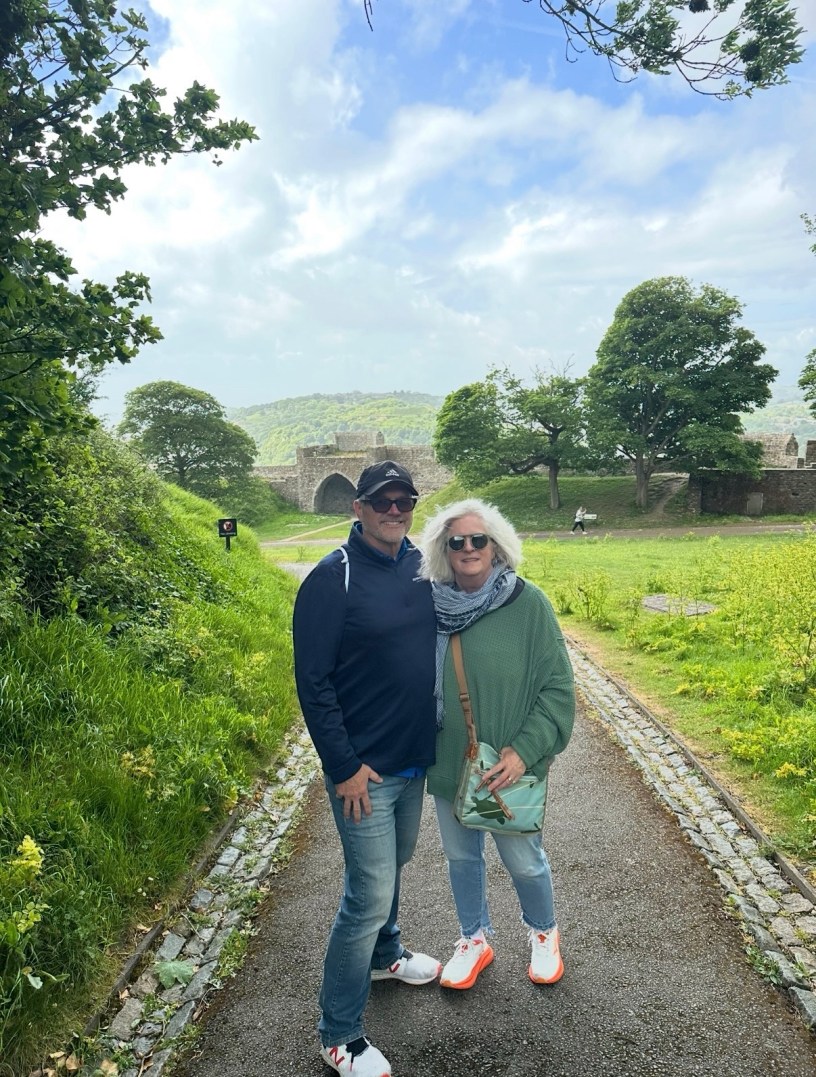
On a recent trip to England, we had the opportunity to celebrate the 80th anniversary of Victory in Europe Day (VE Day), which commemorates the end of World War II. This was a special celebration for me to also pay tribute to my Dad, Robert Frank Crane, who fought in World War II with the United States Navy in the Pacific. His fleet continued to fight until VJ Day, September 1945. Our tribute to World War II Veterans started in London, continued in Canterbury, and ended on the White Cliffs of Dover.
London
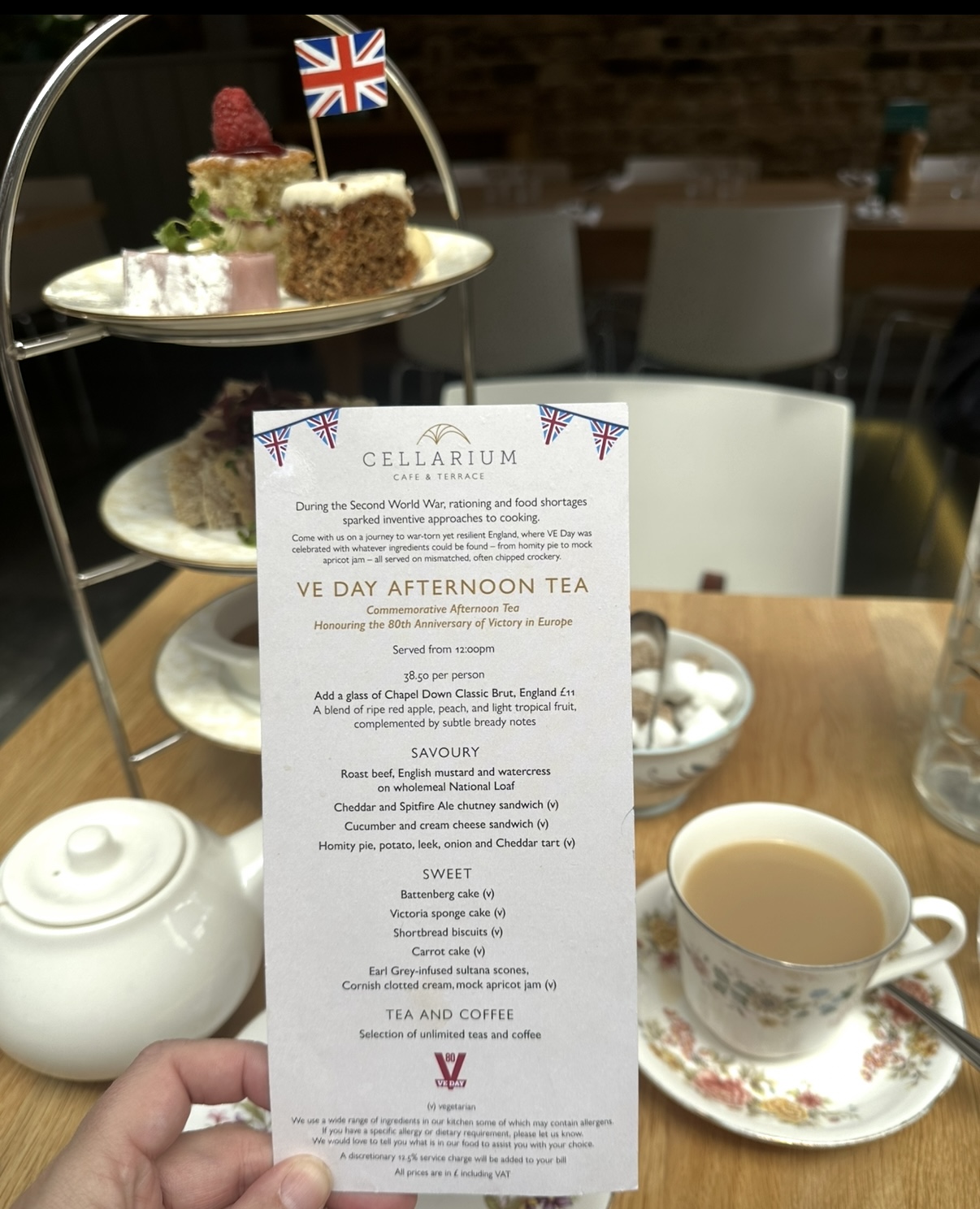
VE Day Afternoon Tea, Cellarium Café & Terrace
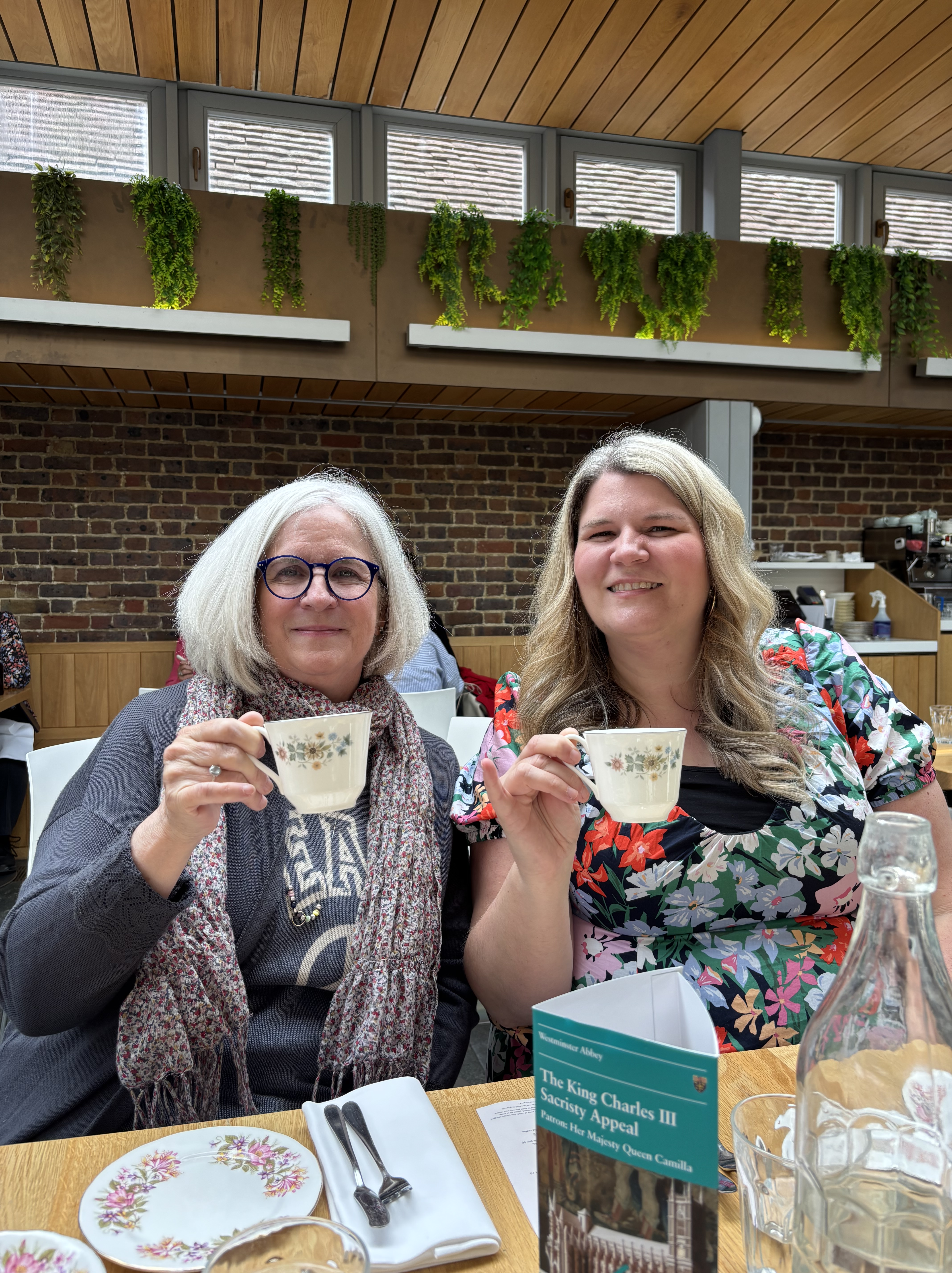
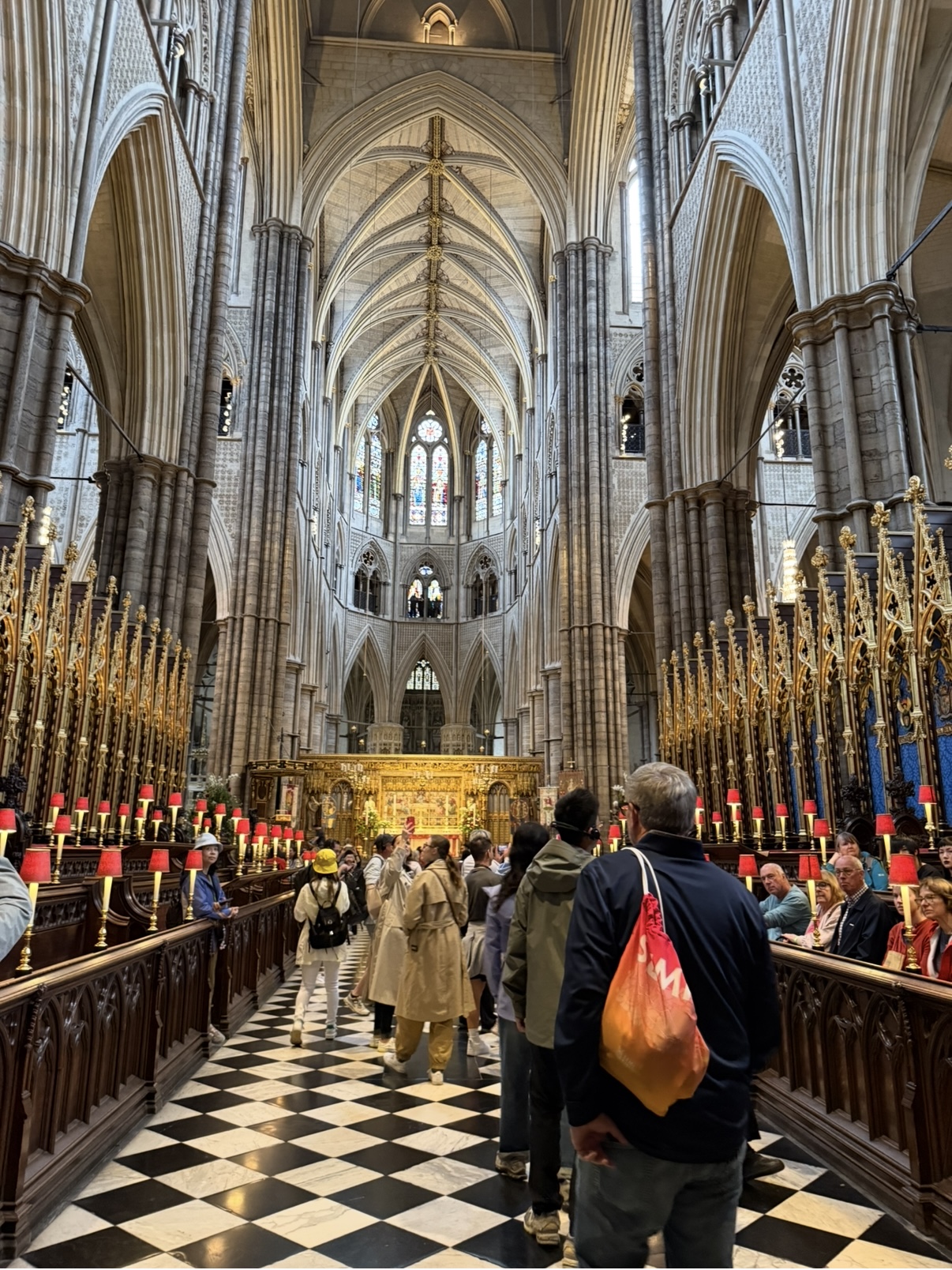
Our first stop on this tribute was The Cellarium Tea Room at the Westminster Cathedral, London, offered a VE Day Afternoon Tea to commemorate the 80th Anniversary of Victory in Europe.
“Come with us on a journey to war-torn yet resilient England, where VE Day was celebrated with whatever ingredients could be found-from homity pie to mock apricot jam—all served on mismatched, often chipped crockery”.
Included in this Tea were delicious Savoury and Sweet items (see full menu and descriptions in photo) with a selection of unlimited teas and coffee.
We ended our teatime with a prayer of thanksgiving for all of those who served and gave their lives for our freedom. Thank you ,Dad.
Churchill War Room
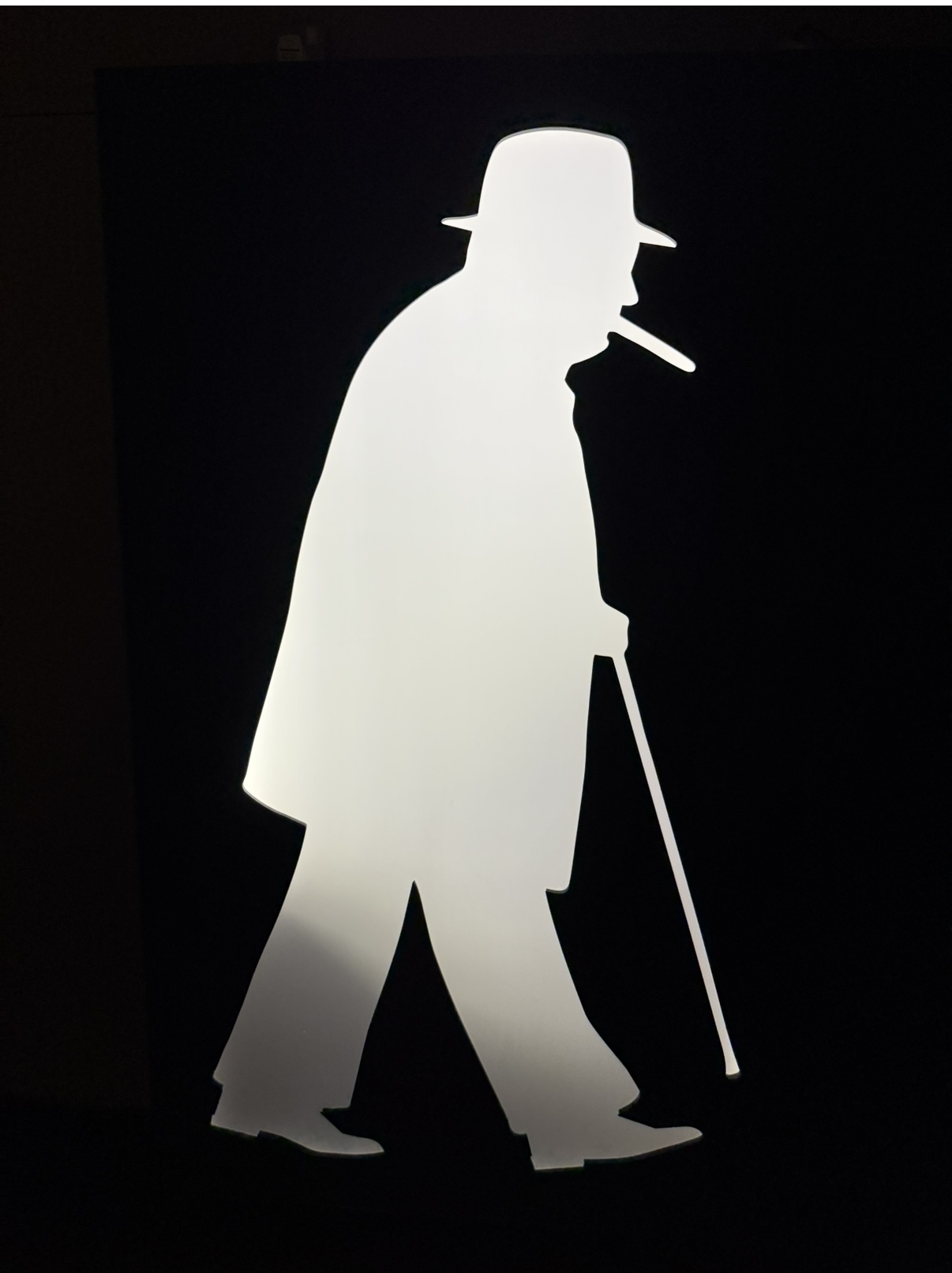
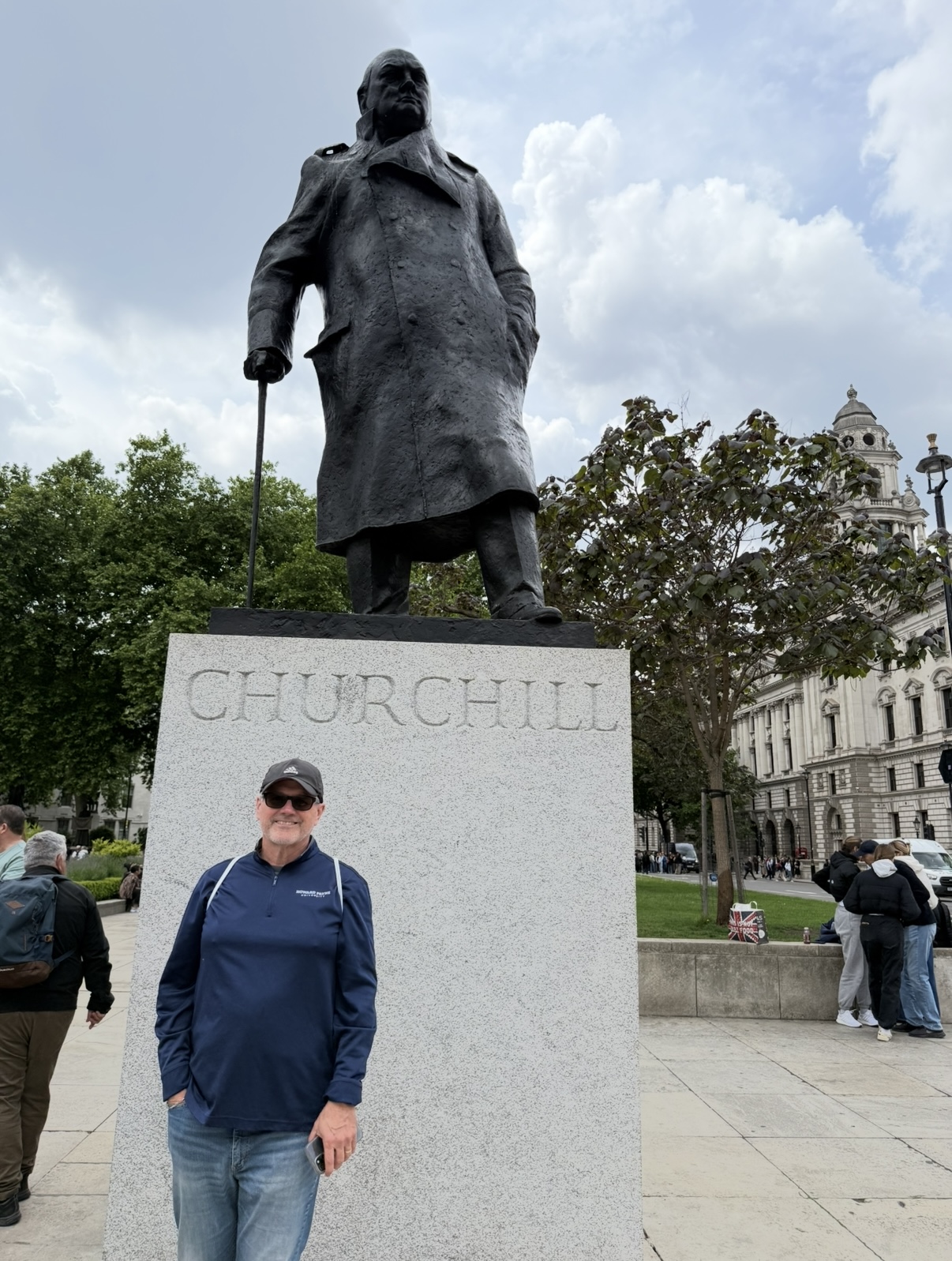
Our next stop was the Churchill War Room. My husband, David, and I have been a fan of Winston Churchill for many years as we have read about and studied his strong leadership during World War II. We have watched many documentaries on Churchill’s life and on the Cabinet War Rooms which provided the secret underground headquarters for the core of the British government throughout the Second War. It was very special to see it in person.
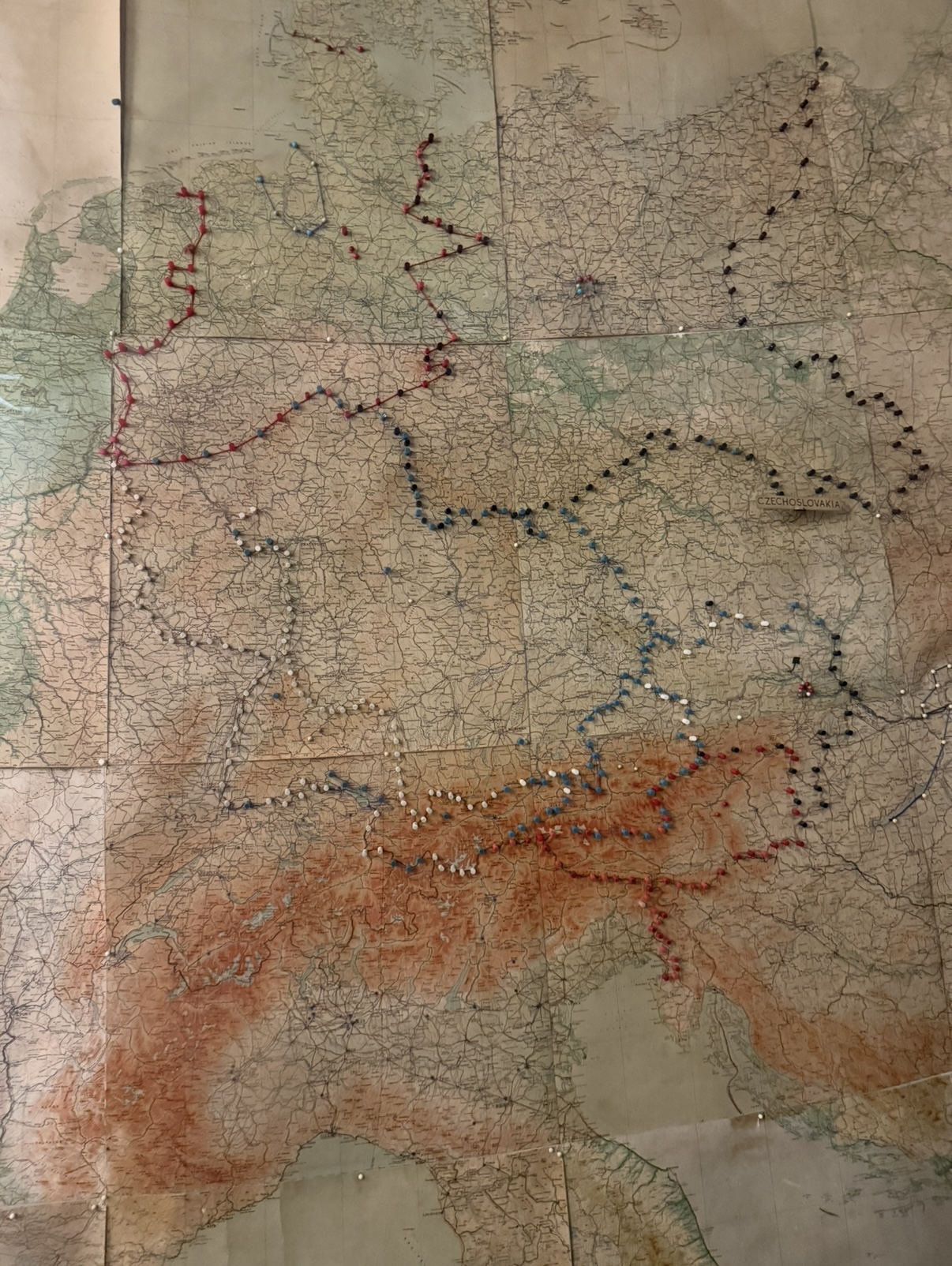
As the fear that London would be the target of aerial bombardment, the basement of a Whitehall building was chosen as the site for the Cabinet War rooms from 1940-1945. Churchill and his staff lived down in these fortified rooms, including his wife, Clementine, for much of this time. Everything is remarkably still intact, just as it was left at the end of the war. The map room was ominous as we stood in “the room where it happened” and imagined the hundreds of men and women who spent thousands of vital hours pinning every location of military units across the globe and strategizing how to empower them and preserve their lives at the same time.
Canterbury, England
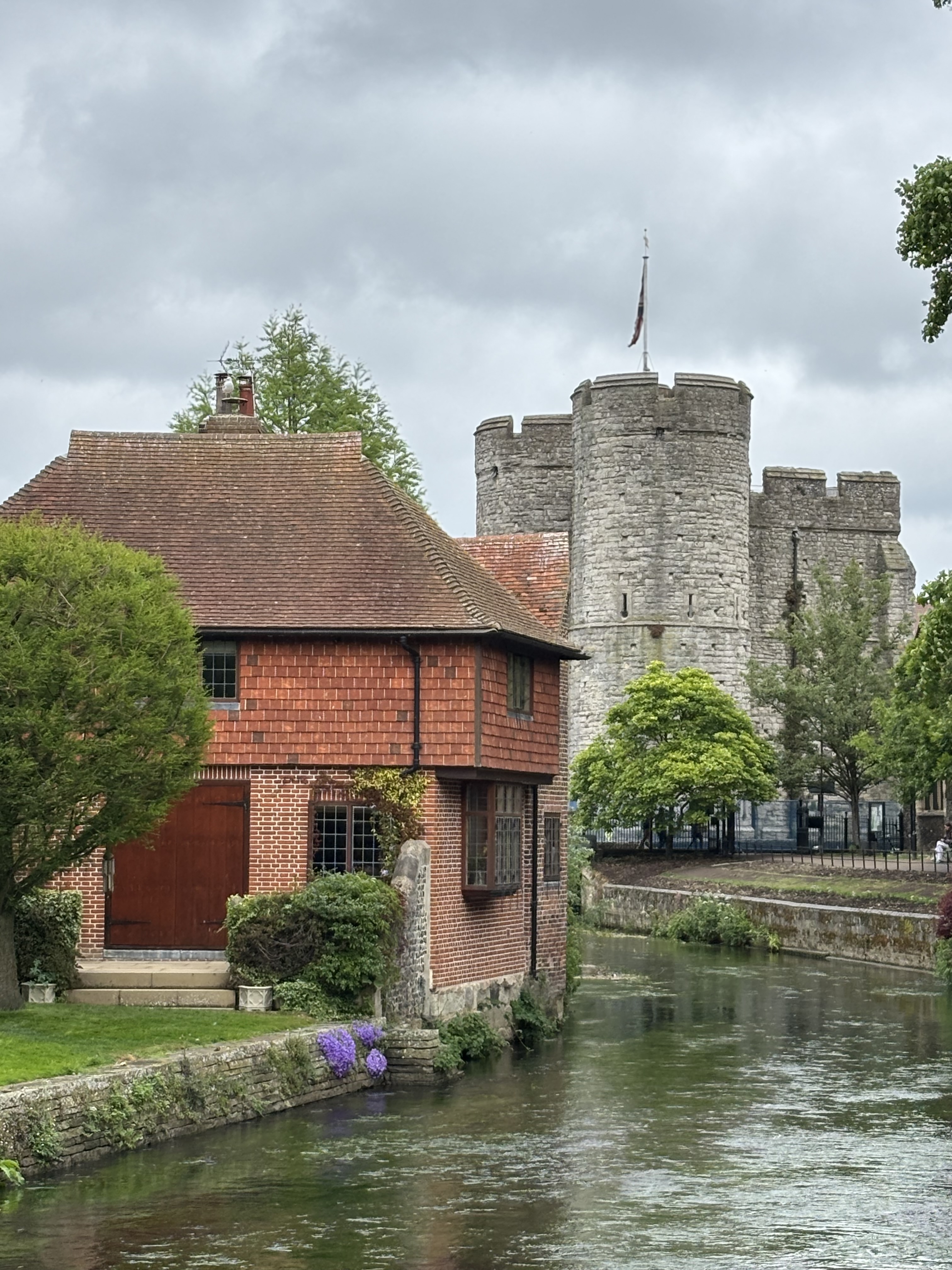
About one hour by train takes one to Canterbury, England, a pilgrimage site in the Middle Ages, and a victim of the bombardment of German forces during World War II. Canterbury still has an historic medieval city centre with cobbled streets and timber-framed houses from the Roman times of 597 AD.
I love this little hamlet–the quaint shops, eateries, gardens, medieval walls and castles take you back to the setting of Chaucer’s Canterbury Tales (once you maneuver your way through hundreds of tourists who have also found this secret haven).
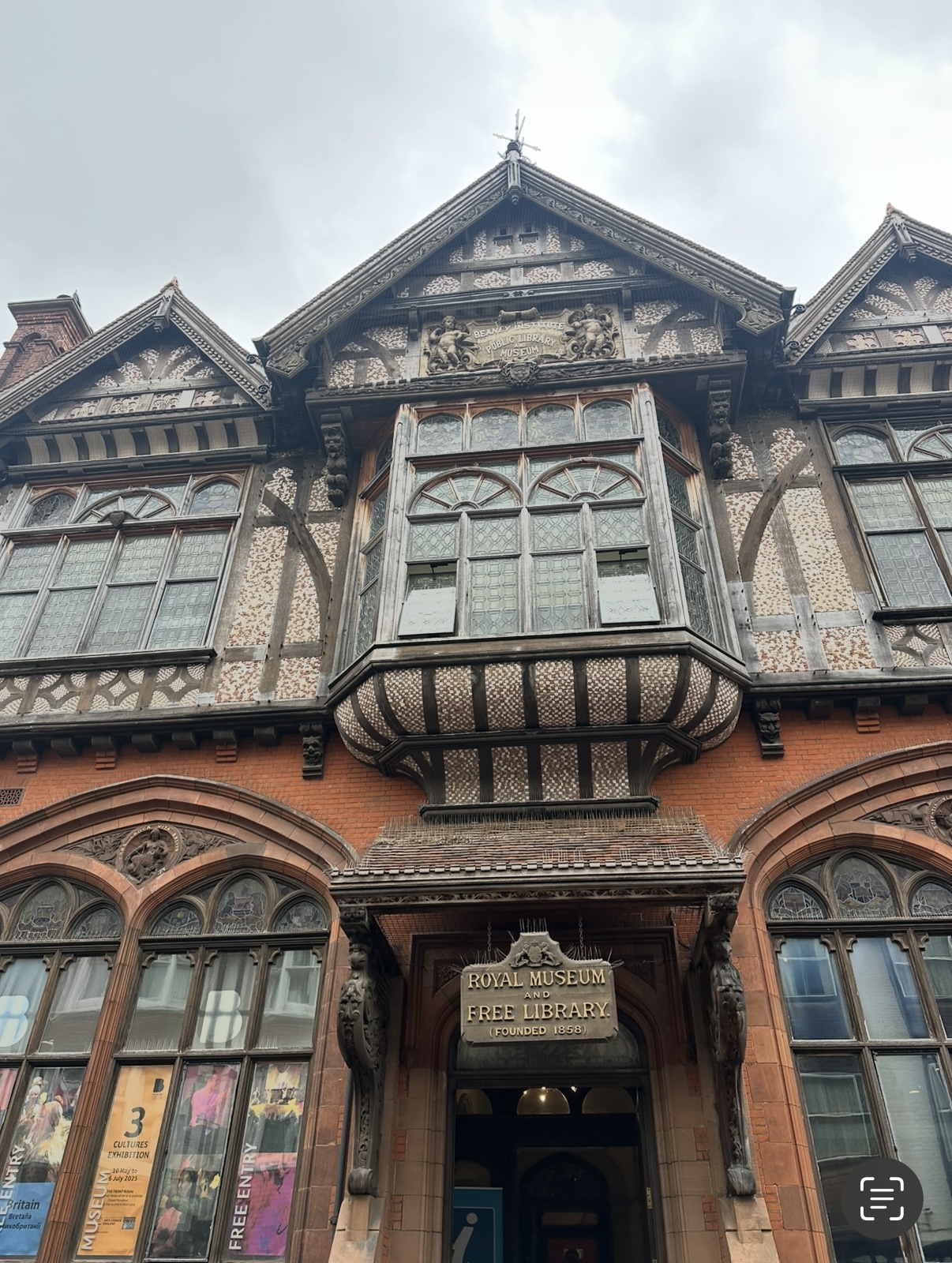
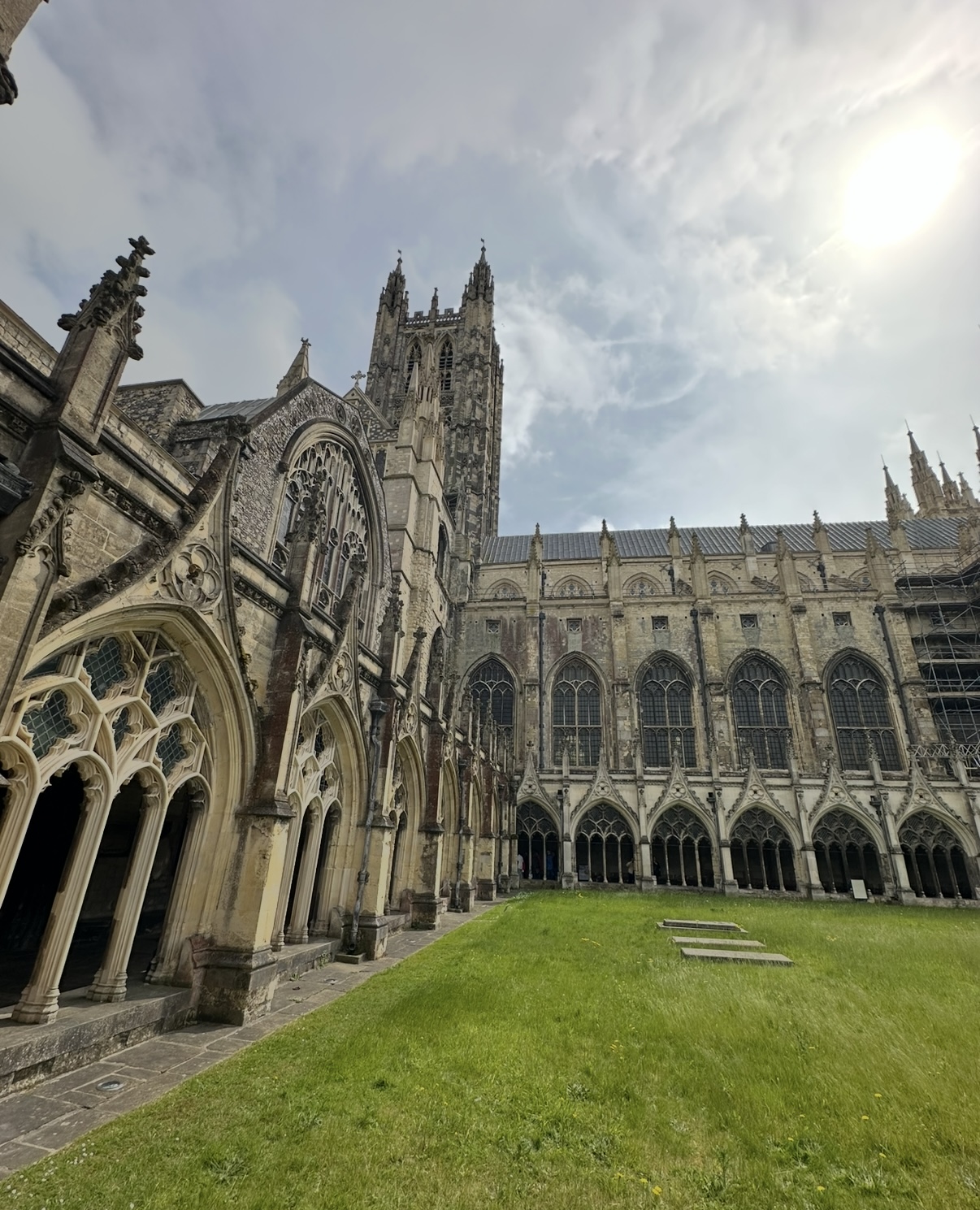
While touring the Canterbury Cathedral, we learned the unfortunate history of the “Baedeker Raids” on 1 June, 1942. The Cathedral was a key target of the raid. When the bombing began four men who had been designated as ‘fire watchers’ rushed to the roof of the Cathedral. Their job was spot and put out incendiary bombs before they could cause a fire. Thanks to their bravery the Cathedral survived the raid largely unscathed despite sixteen bombs falling nearby and the damage to the Deanery and Library.
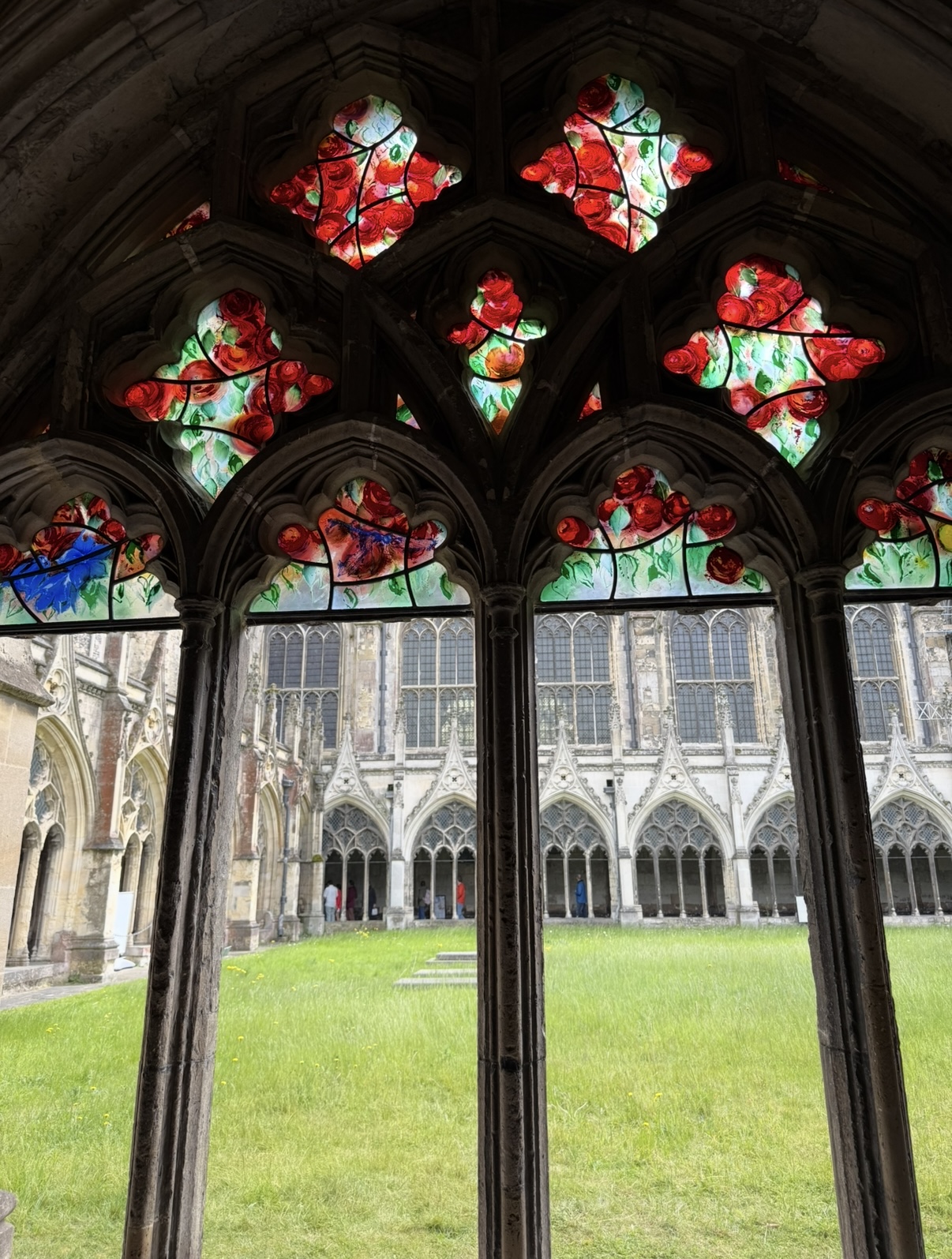
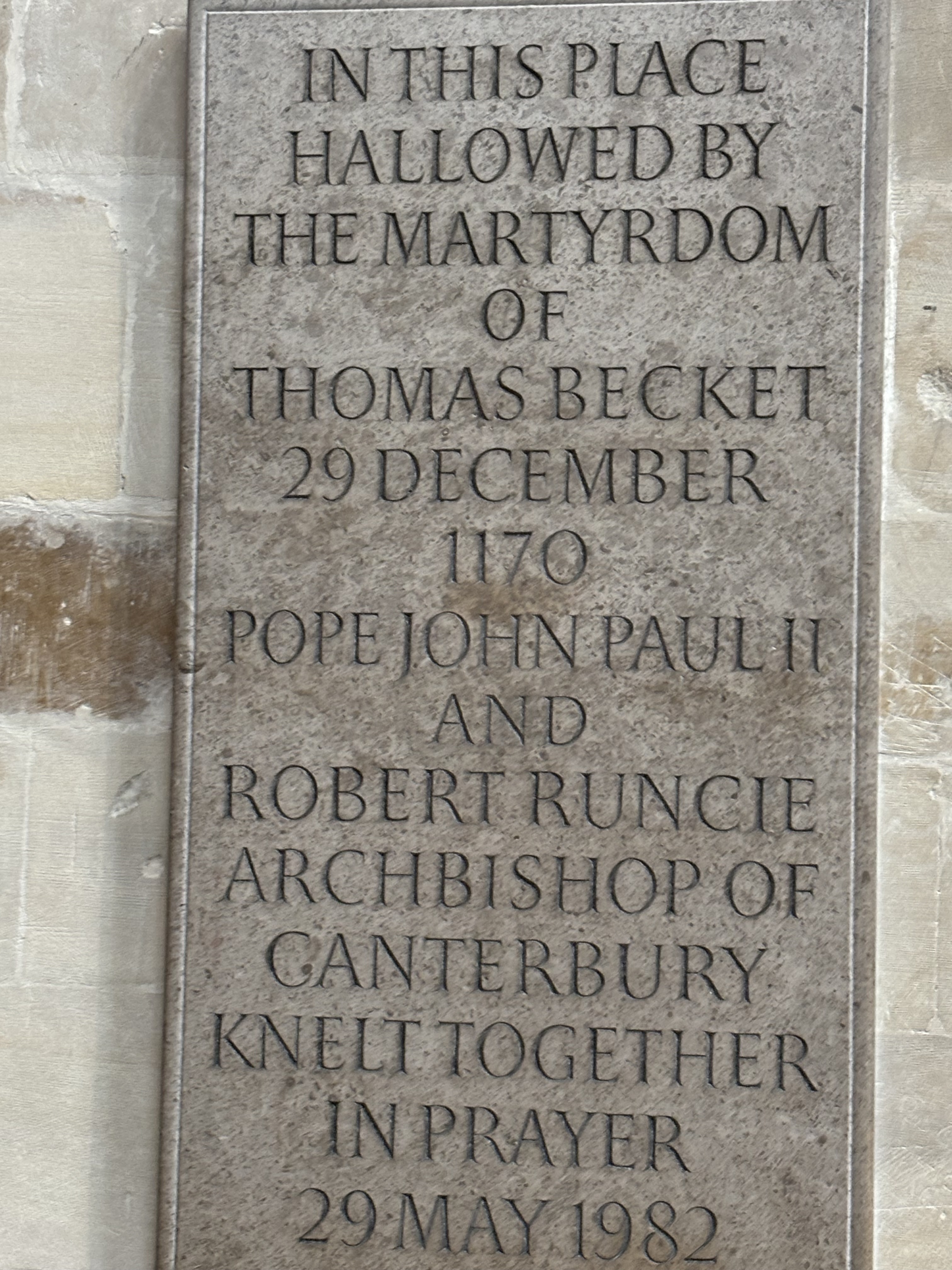
This bombing was in retaliation on the 28 March 1942 the British Royal Air Force who had attacked the German port city of Lübeck causing huge damage. In response Hitler planned a bombing campaign which focused on cultural sites in cities like Canterbury; the attack on Canterbury was reported in the German media as revenge for Cologne. Eight hundred buildings in Canterbury were destroyed.
Dover
We ended our VE Day tour in the town of Dover, on the east coast of England. Our plan was to visit Dover’s underground naval headquarters below the Dover Castle where the planning of the evacuation of the BEF, known as Operation Dynamo, was organized and then take a ferry over to Dunkirk, France, where the evacuation took place. After spending four hours touring the underground tunnels and the Dover Castle, we ran out of time to make the ferry to Dunkirk—next trip! This left us extra time to hike the White Cliffs of Dover, which I highly recommend.
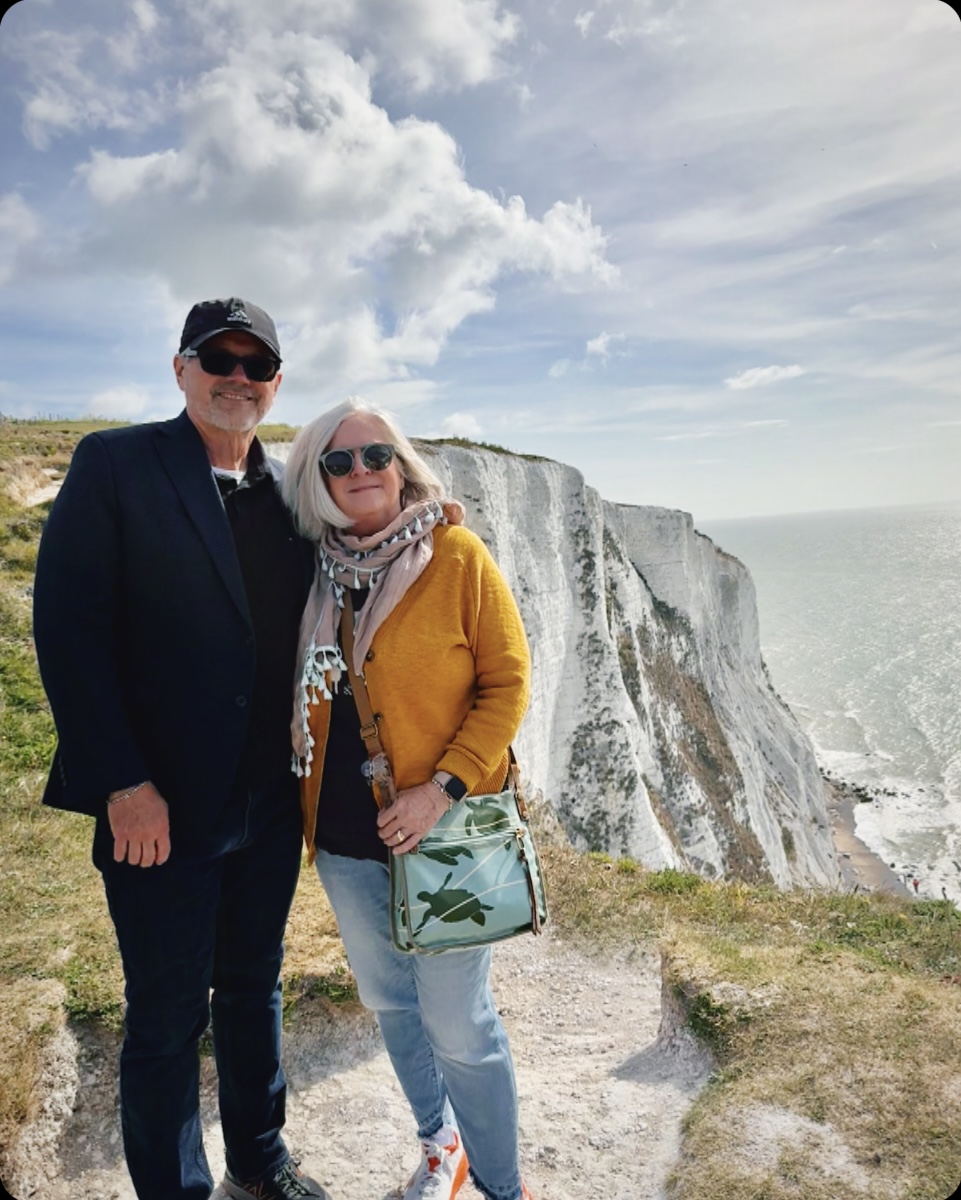
Dover is a lovely port with rich history that can be traced back to the Stone Age where nomads crossed a land bridge to reach what is now the English Channel. There is a medieval castle, The Great Tower, founded in the 11th century, known as the “Key to England” due to its defensive significance through history. [You can find large keyholes in the turrets!]. The Castle has been remodeled and each room has authentic live performances of life in the medieval era.
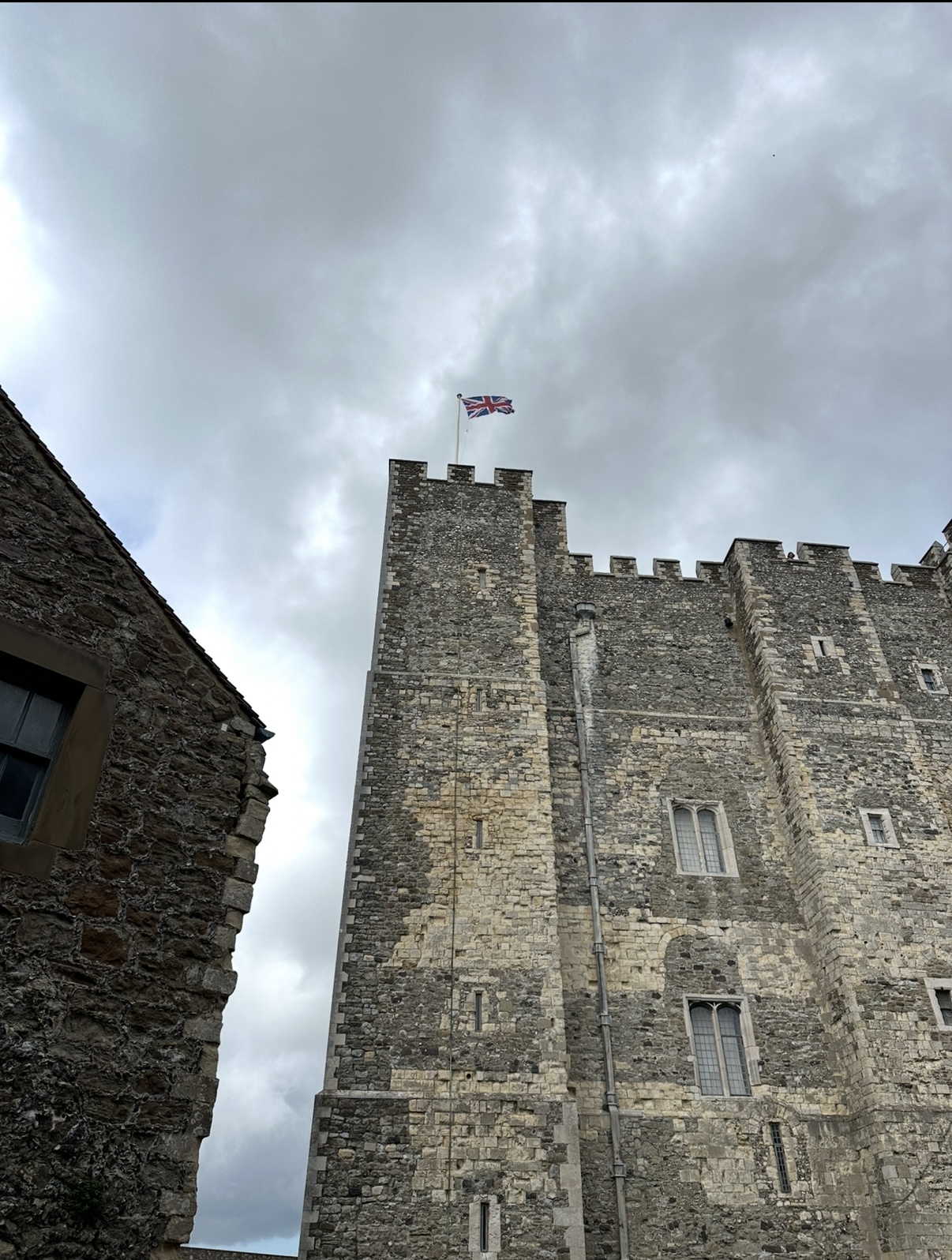
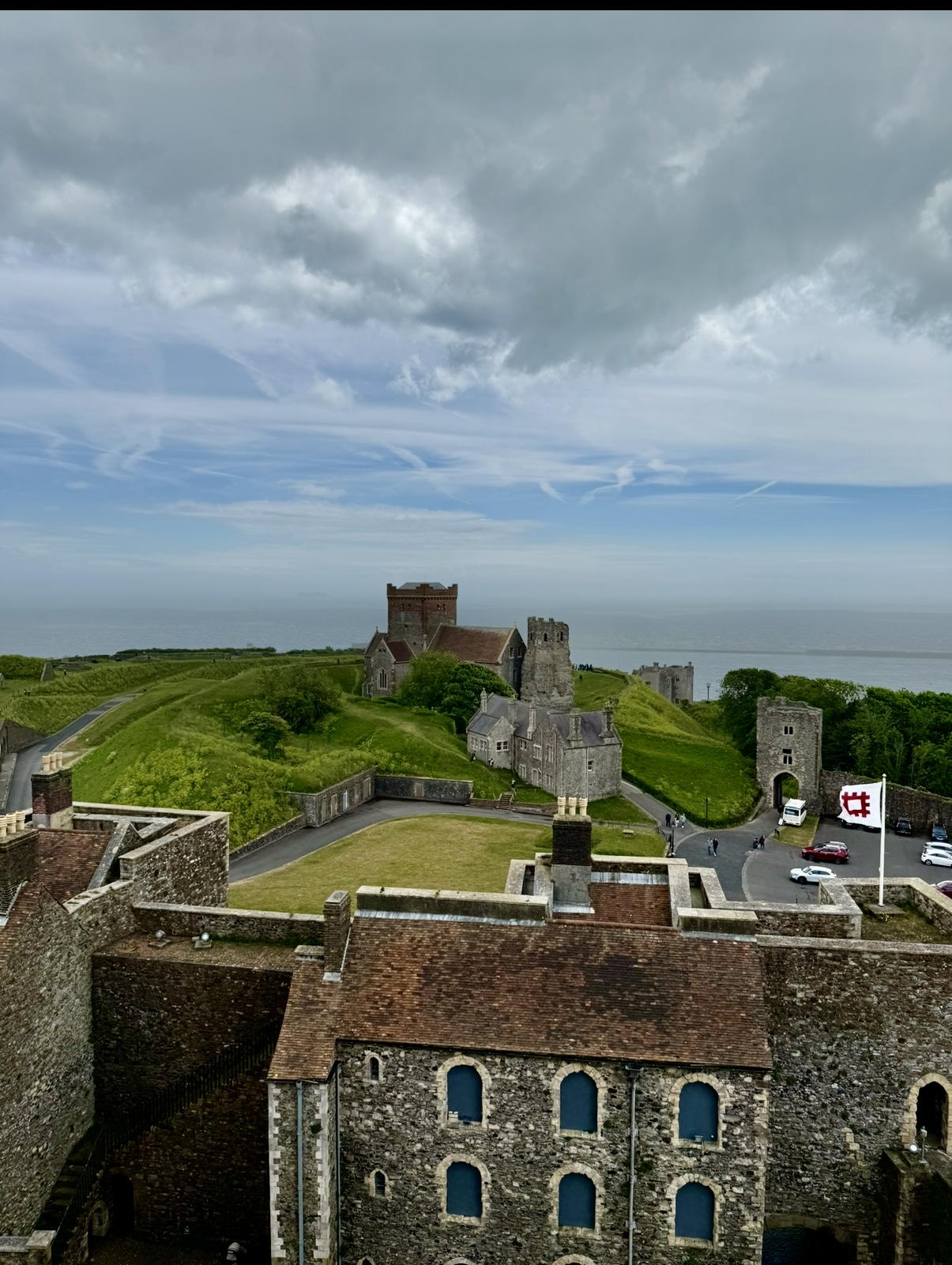
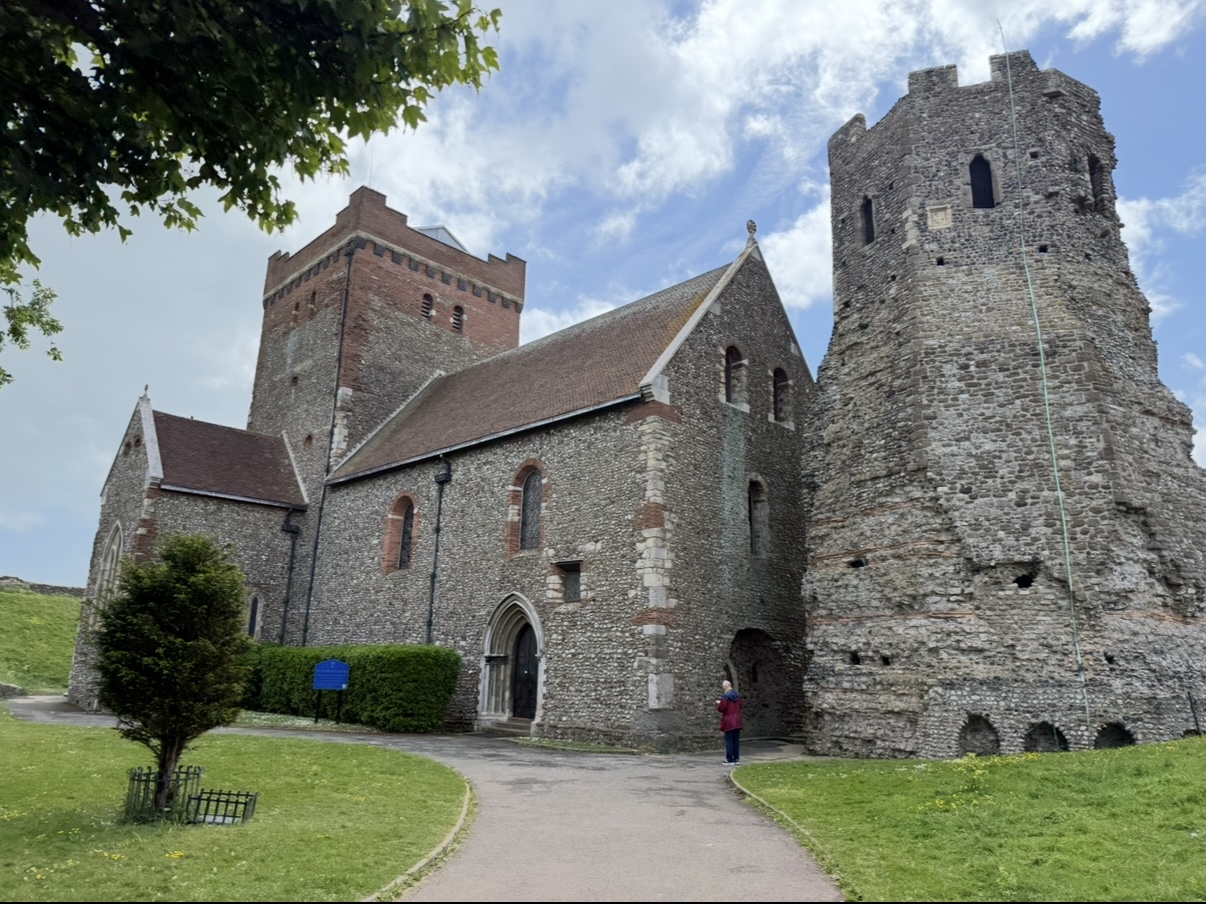
Next to the Great Tower is the Saxon church of St. Mary in Castro which dates back to the 13th century. There is a Roman lighthouse next to the church which is one of only three surviving Roman-era lighthouses in the world. Built in the 2nd century, it is the oldest standing building in Britain.
So much history through the ages, well preserved and well honored! Thank you to the Allied forces who fought valiantly and those who gave their lives for our freedom.


Greetings from Michigan!Thank you for the walking history lesson. It was a great read.
I wonder the reasoning for St. Mary in Castro being built so close to the tower..?
Is it directly connected or no?
Were there battles going on that they needed the tower for?
Was it to lock the land in to save the tower?
Hi bmich, thank you for your response. These are great questions and I wondered the same thing. I know they were built at different times but, possibly using the same quarry, have similar stones. I will look deeper into this. Thank you! Robyn
My father was a fire watcher in London when he was 17, and joined the air force as soon as he was old enough but ended up in the army, just about to depart for the Pacific War when Japan surrendered. So it was my mother who had a more perilous war: in the ATS she drove POWs up to Edinburgh on icy roads where one day her best friend was killed when she fell out of the soft-sided truck as they went round a bend. After D-Day she was not far from the front line harvesting usable parts from damaged military vehicles and taking them back across the channel to England.
I found it sobering to visit London for the first time as an adult, long after we had migrated to warmer weather in Australia. Born postwar, as a child I had very little awareness of the war, but as I grew older and began to patch random bits of knowledge together I realised why we could play on vacant blocks between the houses in my grandmother’s street. And why the third floor of my grandmother’s house was off-limits because there was still a hole in her roof…non-urgent repairs had low priority compared to rebuilding for the homeless bombed out of their houses as my father was. And why my father finished the war with no other family at all.
I’ve visited London a few times since then, but I have never forgotten standing outside the British Museum waiting for it to open, and seeing shrapnel damage in the stonework at the bottom of the fence railings. Most people walk past without a thought.
We all owe a great deal to the people who came together from all over the world to fight Nazism. And whatever about current events, we should include the Soviets in our thanks, because when they repulsed the Germans 60k from Moscow in Dec 1941 and then defeated them at Stalingrad a couple of months later, they changed the course of the war. Imagine what kind of world we’d be living in if Hitler had conquered all of Europe with all its resources and held their colonial possessions in Africa, Asia and South America as well. Britain and the Commonwealth couldn’t have held out and America would have been the only democracy. The Reich would have been a superpower.
Lisa, thank you for this beautiful history of your Mother and Father’s role in the war. You have seen the sobering reminders, first hand, that I had to learn through history books and visits to Europe. Yes, this was a valiant, world-wide effort to fight the Hitler and the Nazis and I appreciate the reminder of the Soviets role in conquering this evil enemy.
Lovely homage
Thank you Sheree!
What a heartfelt and moving tribute to VE Day and your dad’s service. Your visit to London, Canterbury, and Dover really brings history to life, honoring the bravery and resilience of that time. The Churchill War Room and White Cliffs of Dover must have been unforgettable experiences. Thanks for sharing this meaningful reflection and reminding us to appreciate those who fought for our freedom.
Hi India, thank you for your kind remarks. I am glad this piece reflected my heartfelt experiences. This is an area I am trying to include more in my blogs! Robyn
You’re so welcome, Robyn! You’re doing a beautiful job weaving personal stories with historical significance—it really adds depth and emotion to your writing. I’m looking forward to reading more reflections like this in your future blogs! Keep sharing from the heart.