
One of the incredible gifts from being a blogger is to be informed, inspired, and heightened by literature from all over the world. I follow bloggers from Australia, France, England, Germany, India, China, Mexico, Belgium, the Netherlands, and many more countries.
Should different nations inform themselves about world literature and the other works in existence?
This question was posed by Fritz Strich in his work Goethe and World Literature (1949), “Why do some works such as Homer, Dante’s Divine Comedy, Hamlet, Don Quixote, and Faust belong to ‘world literature’ and other works do not? What is meant by this? Why, does such a work of art pass the frontiers of the nation within which it originated, and the limits of the language in which it was written, is translated, and becomes a treasury of human culture (4)”?
Do we inform ourselves about world literature? I was recently in a Hudson bookshop in London’s Heathrow airport for a layover and was contemplating this question. Based on an airport bookseller, where most titles are in English, the top seven bestselling books of 2024, to date, are:
- Funny Story by Emily henry (fiction novel)
- A Court of Thorns by Sarah J. Mass (A “sexy action packed” novel)
- Age of Revolutions by Fareed Zakaria (CNN host, looks at eras and events that have shaped the world) *possible candidate for world literature
- The House in the Pines by Ana Reyes (Reese Witherspoon Book Club, Fiction novel)
- One by One by Freida McFadden (thriller
- Think Again: The Power of Knowing by Adam Grant (psychology and management thinkers)
- Talking to Strangers by Malcolm Gladwell (human nature)
Would you consider these titles as world literature? Do these works by American authors represent , “ the different national literature which brings out, not only the national character of each, but also their unifying, human or contemporaneous character” that Goethe is searching for (5)?”As international travelers browse this English bookstore, how are they informed about our nation? What impressions will they have from our authors? Is this even a good way to be informed of our nation?
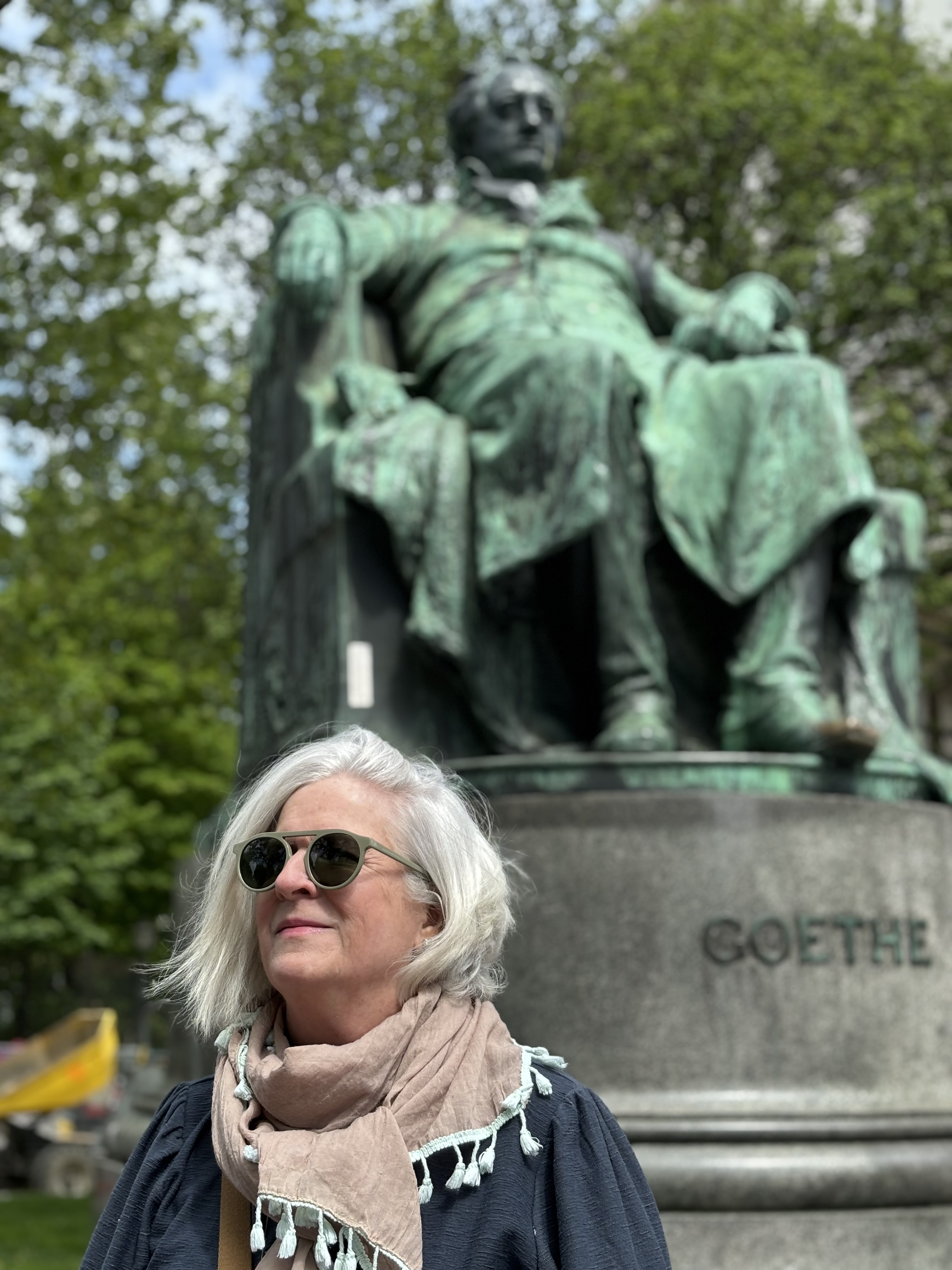
Goethe and World Literature
I have been greatly inspired by Goethe’s writings on comparative world literature through the years. Goethe was the first writer to consider world literature, a term he coined and lived his life appreciating. It is evident in his acknowledgment of England in the translation of Ossian in Werther; his acknowledgment to Italy in the translation of Benvenuto Cellini; to France in his translation of Diderot’s Essay on Painting; Goethe speaks of Nordic Classicism in Hakon Jarl and Greek tragedy in Baldur’s Death.
In addition, Goethe compared translations with their originals, contemporary translations of a single work in various languages, compared the interpretation and treatment of similar subjects and themes by the various literatures, and compared indigenous literary forms with borrowed ones.
He also investigated the historical connections between different literatures to find out when, at what points, and why they influence each other and what they give and take. How were these works translated? How were these translations received—what further effect did they have, and what writers appeared to establish a conversation between the literature? What eyes did the different literatures see and judge one another?
Many books have crossed the boundaries of nationality and been translated, and yet do not in our sense form part of world literature-rather it seems to be the “light or sensational” literature that captivate the world and vanish from the ranks of international literature as quickly as they appeared.
My Library of World Literature
When searching for “world literature”, where does one turn? I have many books in my library from German, French, Greek, and Russian authors. I consider this world literature. In addition to acquiring French as a second language, I have learned a reading proficiency of German and Greek, and a little Russian, to better understand these works in their native language.
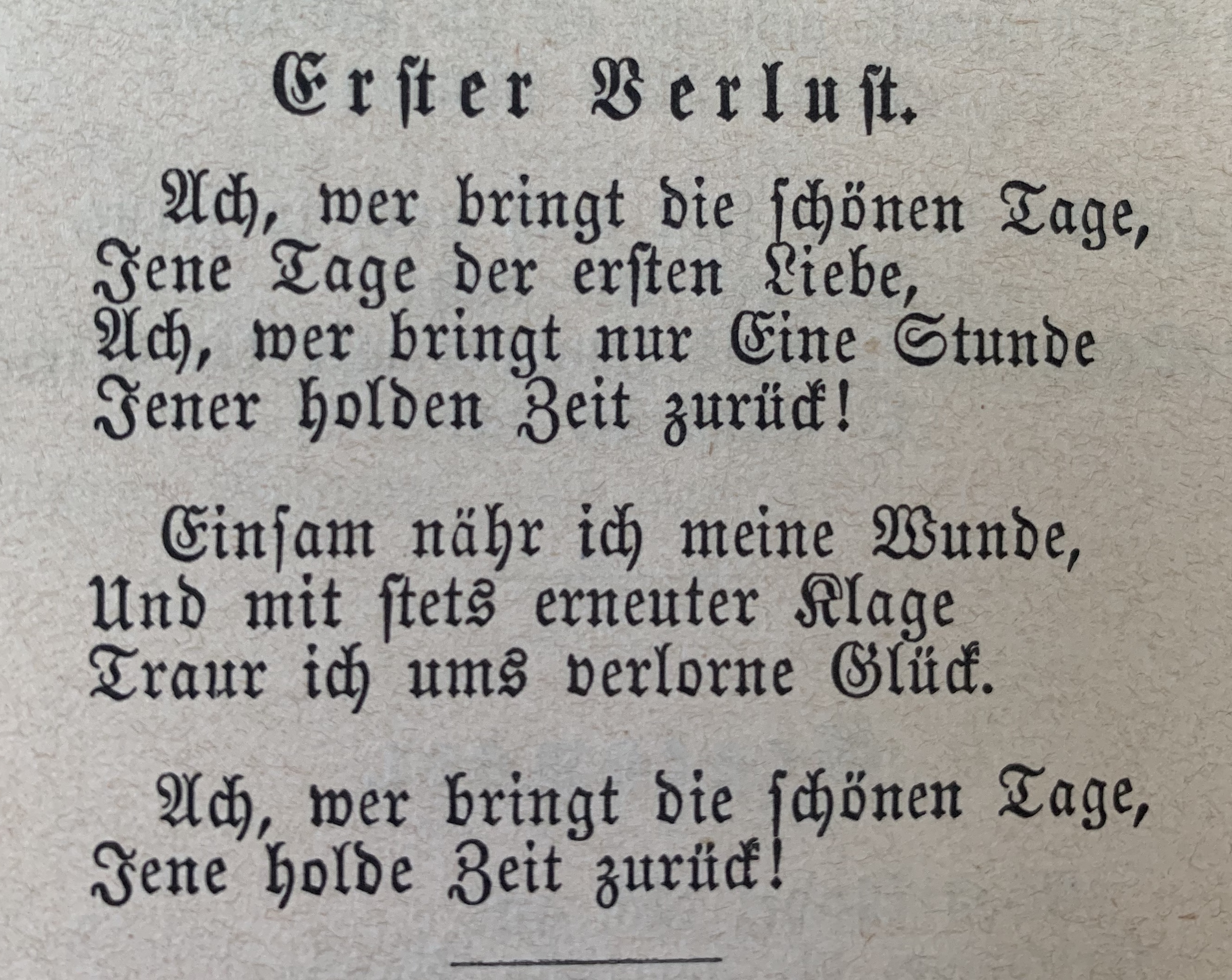

Through the years, I have considered the historical, cultural, linguistic, and artistic, connections within the country of origin from these works and I have also done a comparative study of how these different literatures influenced each other. This is my favorite reading activity, my raison d’être! For example, while reading the biography of Jules Verne in The Man Who Invented the Future, I learned that Jules Verne was greatly influenced as a young student by the work across the Atlantic of the Herman Melville’s Moby-Dick. I have imagined that while Verne was reading about Captain Ahab’s adventures sailing ON the sea, Verne was imagining the possibilities of his protagonist, Captain Nemo, exploring UNDER the sea in a vessel which he designed, the submarine Nautilus. So cool, so cool.
Another American writer, Edgar Alan Poe, had a great influence on French writers Charles Baudelaire, Mallarmé, and, my favorite, Paul Valéry, whose poetics and approach to literary criticism have direct connections to Poe’s Philosophy of Composition and Poetic Principle (see Valery and Poe by Lois Vines).
While reading Thomas More’s Utopia, I was inspired to acquire a knowledge of the works by Greek authors that More possessed in his library. I blogged about my Greek quest last fall and I am leading a book discussion in a few weeks on Ovid’s Metamorphoses as part of my comparative study of Greek literature.
In my little corner of the world, as a laic, I study world literature. This is my passion. I am still learning how to do this effectively. I will never be on Goethe’s level of understanding and ability, but it brings me great joy so I will carry on!
One of my favorite studies of world literature is in Scripture. When I begin to study a new language, the first book I purchase is a bible in that language. I felt that studying the Scriptures in a second language translations would force me to read slowly and carefully each word, phrase, nuance, meaning that was originally intended by the Holy Spirit. How cool to think that we, as English speakers, are actually reading a translation of the scriptures from Hebrew and Greek into English. Therefore, the inspired words from God to the Hebrew and Greek writers were also inspired through each translator of Spanish, French, Chinese, etc. and as translators, this is an important factor to keep in mind. Translating scripture is not just allowing readers to perceive the text emotionally and artistically which corresponds to the aesthetic experience of the first readers as in literary texts, it is presenting a text which can and will be experienced on a spiritual realm, which is out of our wheelhouse! [see my post]
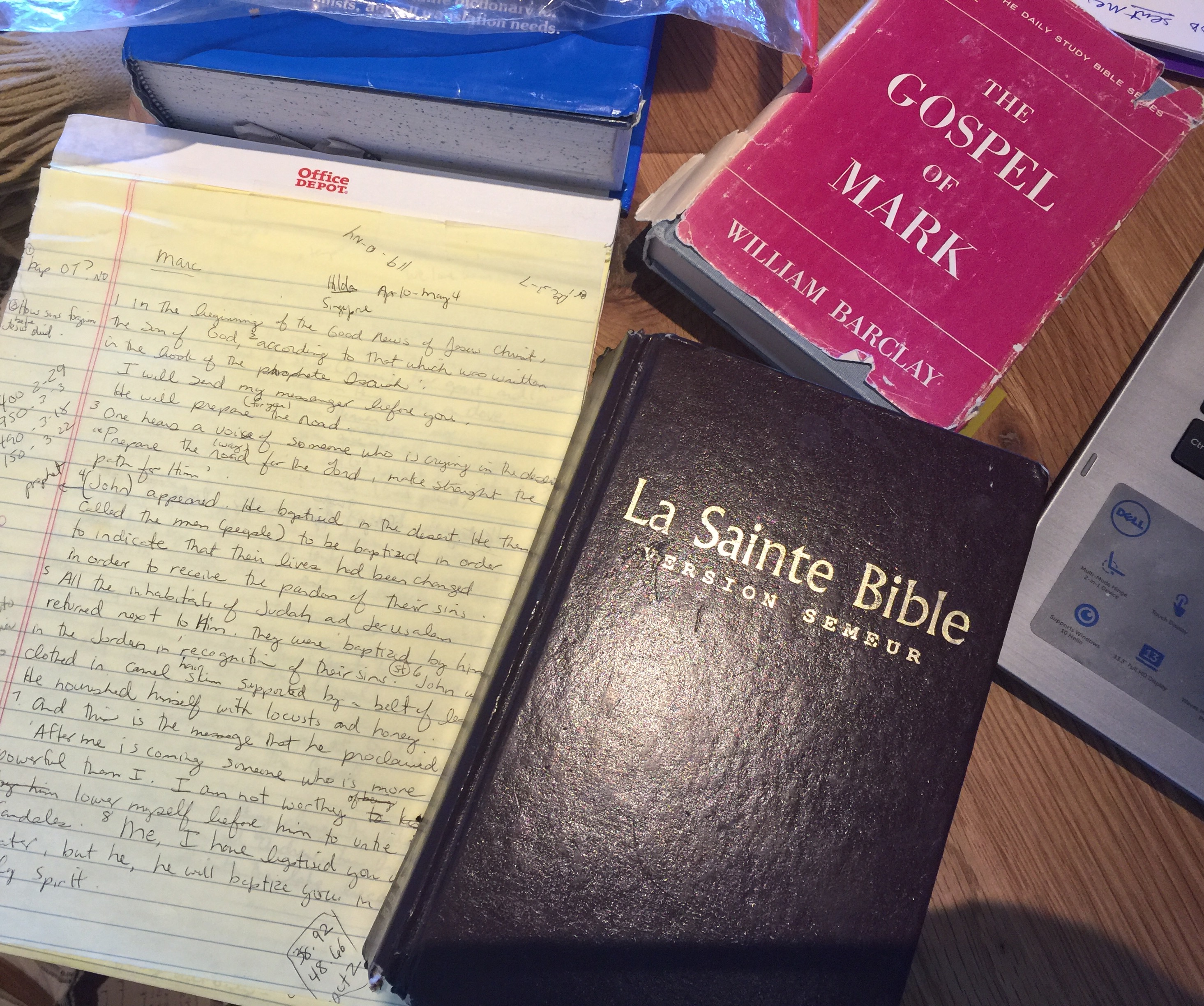
No American understood this better than Longfellow. If you have not read The Poems and Poetry of Europe, I highly recommend it. The Poems is a collection of poetry from the rich histories of these European countries. Each chronological section of Europe is introduced by Longfellow with cultural and linguistic history that, in most cases, he observed personally during his travels. Longfellow research, translated and studied Anglo-Saxon (Beowulf), Danish, Swedish, German, Dutch, French (Hugo!), Italian (Dante), Spanish and Portuguese. [see post]
The Academic Study of Comparative World Literature
Harvard University has an “Institute for World Literature” in their Department of Comparative Literature. Voila! Oh, to be twenty years younger and apply to study at this Institute. The Institute is meeting at the University of Cyprus from July 8 through August 1, 2024 to hear from a universal panel of speakers from Iceland, Oxford, SOAS, EHESS & CNRS, London, Bucharest, and Columbia University.
The Institute for World Literature (IWL) has been created to explore the study of literature in a globalizing world. As we enter the twenty-first century, our understanding of “world literature” has expanded beyond the classic canon of European masterpieces and entered a far-reaching inquiry into the variety of the world’s literary cultures and their distinctive reflections and refractions of the political, economic, and religious forces sweeping the globe. If you are able, go for it!!
 My French Quest
You’re like a super-bee, Robyn, a literary cross-pollinator!
Mitch, I apologize for not responding to this sooner. This is, honestly, one of the nicest things that has ever been said about me. I love this phrase “a literary cross-pollinator”! Thank you for making my day, and month! Robyn