
I was first introduced to the genius of Victor Hugo in 1995. My husband and I were celebrating our 25th wedding anniversary in New York City and we went to see the Broadway musical Les Misérables. By the end of the performance, tears streaming down our faces, we could not move; we were spellbound. This story of grace, forgiveness, love, and redemption touched our hearts.
Les Misérables was based on Hugo’s famous novel of the same name and chronicles the history of Post-Revolution France from 1815 to 1832. This 1,500+ page tome examines the harsh consequences of breaking the law tempered with divine grace of redemption. Weaved into this story of romantic and familial love is Hugo’s view of politics, philosophy, religion, war, and justice. “Hugo refers to contemporary Paris in Les Misérables as ‘not only the centre of civilization but the motor force of the world-historical future: Paris est sur toute la terre le lieu ou l’on entend le mieux frissonner l’immense voilure du progrès’” (Hugo, Paris pp. 586-587).
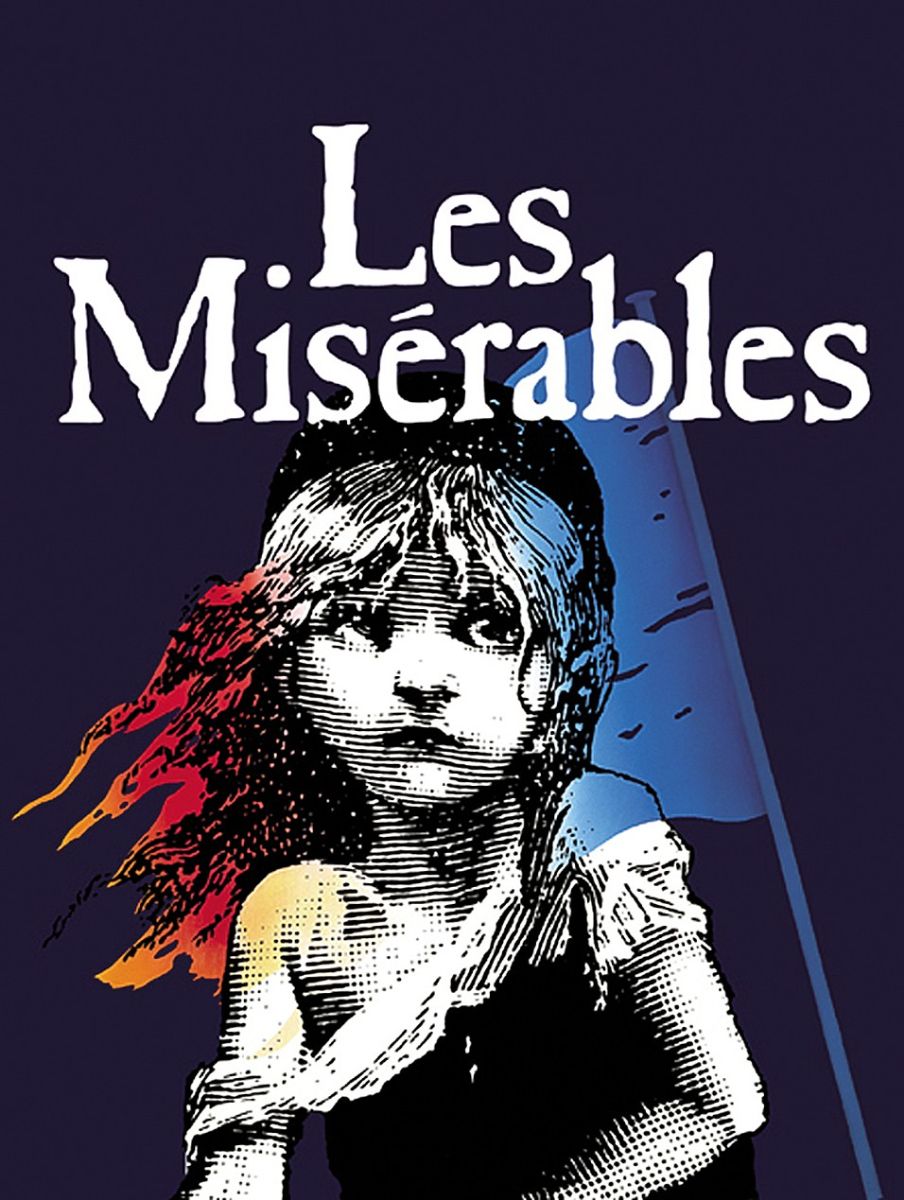
Les Misérables
He also includes a detailed description of Paris during this time period, including its architecture, parks, boulevards, and monuments. Consequently, the first thing I did when I moved to Paris in 2012 was to start reading Les Misérables, noting the boulevards, houses, and monuments, that Hugo details in the story, and walking through them, recreating this incredible homage to Paris. To my surprise and fortune, I walked down these same streets every day to class at the Sorbonne, through the jardins , boulevards and houses of Les Misérables. In fact, it is hard to think of Paris without Hugo.
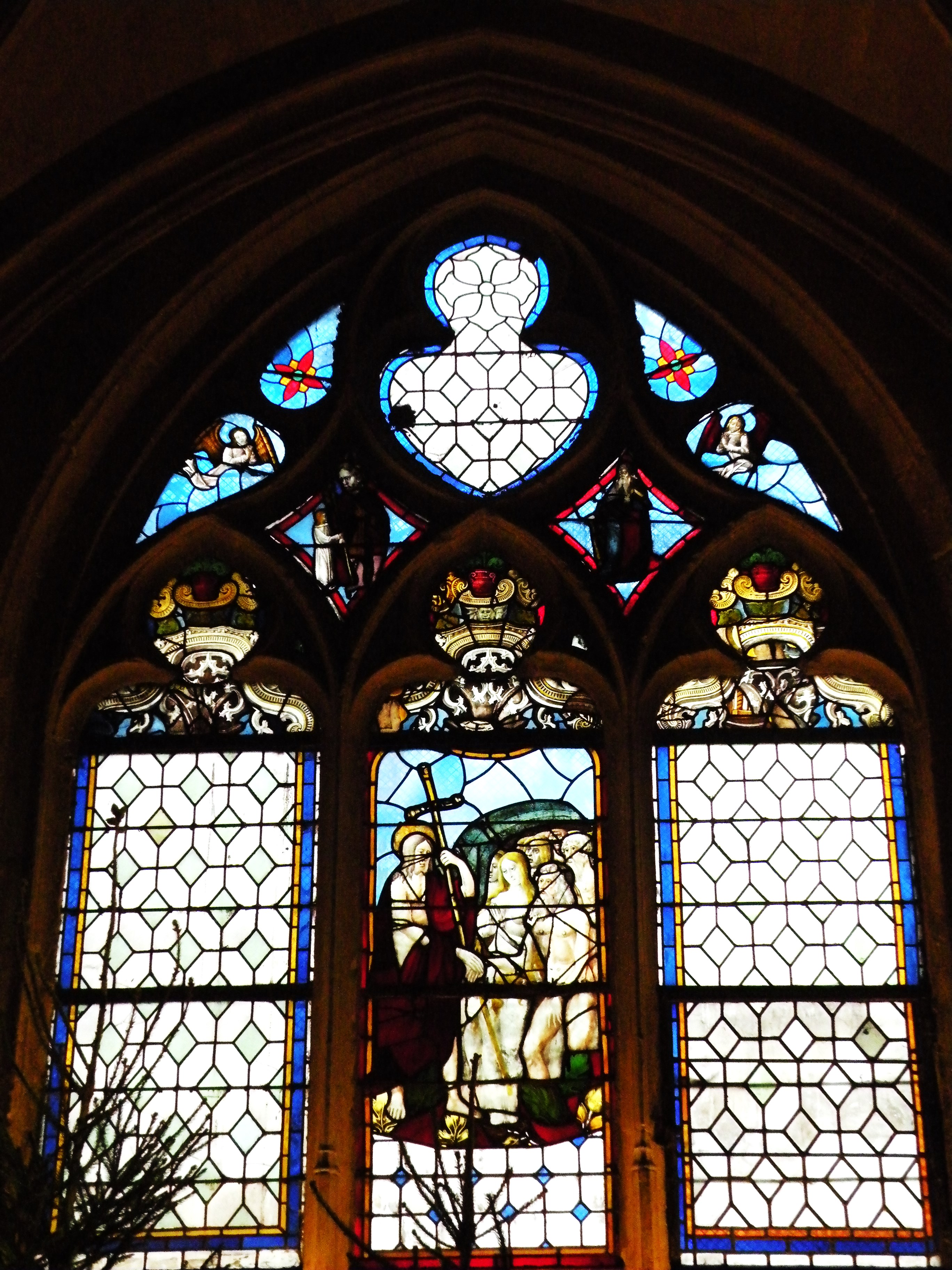
The Eglise Saint Medard, Paris, where Jean Valjean gave his confession
Victor Hugo loved his Paris and translated the private affairs of literature into the public arena of culture and society. After the Revolution, France had both a literature and a language around which a new nation could be formed. The reading habits and prestige of literature changed when 95% of Parisians became literate. Writers were no longer dependent upon patrons to support them and their work. Instead, they became dependent upon publishers who marketed their works and upon schools that chose literature to educate their students. Writers in the nineteenth century were rare in their profession in a sociological sense because they were not technically considered working class or peasants, bourgeoisie or bureaucrats; however, they helped shape the norms, values, and behavior of society. These societal changes opened the doors for writers such as Hugo to take an important leadership role in France.
In her book Literary France, Clark claims that, “Only France has a literary culture that elects the writer as spokesman and invests literature with such powers”. Clark adds: “For literature to exist, cultural, economic, and political elements must interact”. The nineteenth-century writers Zola, Hugo, and Rousseau “fused the public world of country with the private world of belief “(9).

As a writer, Hugo wanted to revolutionize literature by “revolutionizing language” (Ravise, 21). He had a considerable vocabulary, perfect knowledge of the language, with an overflowing imagination and incomparable splendor in his images. Hugo exemplified how literary culture is contained in a social group that affects many individuals who may otherwise have little in common. This has become particularly relevant to me, as my blog posts on Balzac, Hugo, Voltaire, Hemingway, and Twain have connected me to a worldwide literary culture that I would not have otherwise interacted.
In addition to his two famous novels, Les Misérables and Notre-Dame de Paris, Hugo wrote shorter stories and principal works: Les Orientales, Les Chatiments, Les Contemplations, La Légende des Siècles, Chansons des rues et des bois, and L’Art d’être grand-père. Hernani is the most well-known of these works and is a story of the battle between les Anciens (classics) and les Modernes (romantics). In Hernani, Hugo applies the rules of the new dramatic theater: there is much action, and everyone dies in the end!


Arenes de Lutece 2012
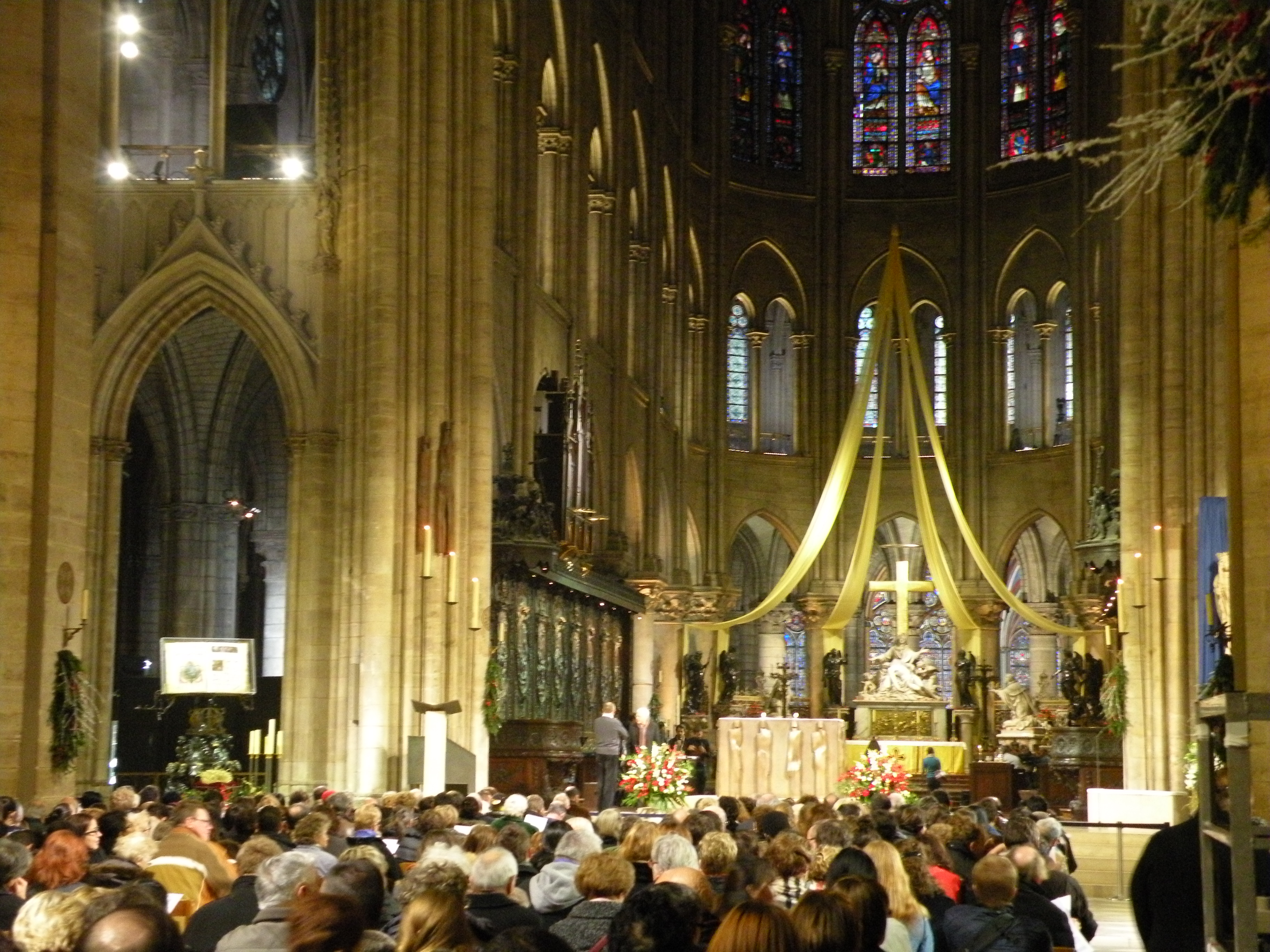
As a statesman, Victor Hugo made significant contributions raising funds and preserving the monuments and parks of his beloved Paris. He led the movement to repair the Arenes de Lutece, an ancient Roman amphitheater built in 1100, and, most importantly, to save the Notre Dame Cathedral from destruction.
Victor Hugo began writing Notre-Dame de Paris (better known in the U.S. as The Hunchback of Notre Dame) in 1829 to not only to make the French aware of this incredible Gothic landmark, which had been neglected, but also to raise funds to restore it to its original architecture. Hugo published Notre-Dame de Paris six months after the restoration of the Cathedral was completed. I am very thankful that Hugo led this charge, as the Notre Dame Catherdral was my church home and respite while I lived in Paris.
Hugo’s last words were, “To love is to act”. In Les Misérables, Hugo stages the events following the Revolution on the steps of the Panthéon after the death of General Lamarque on 5 June, 1832. Fifty years later, Hugo was buried in the same Panthéon with a funeral procession of more than 2 million people.
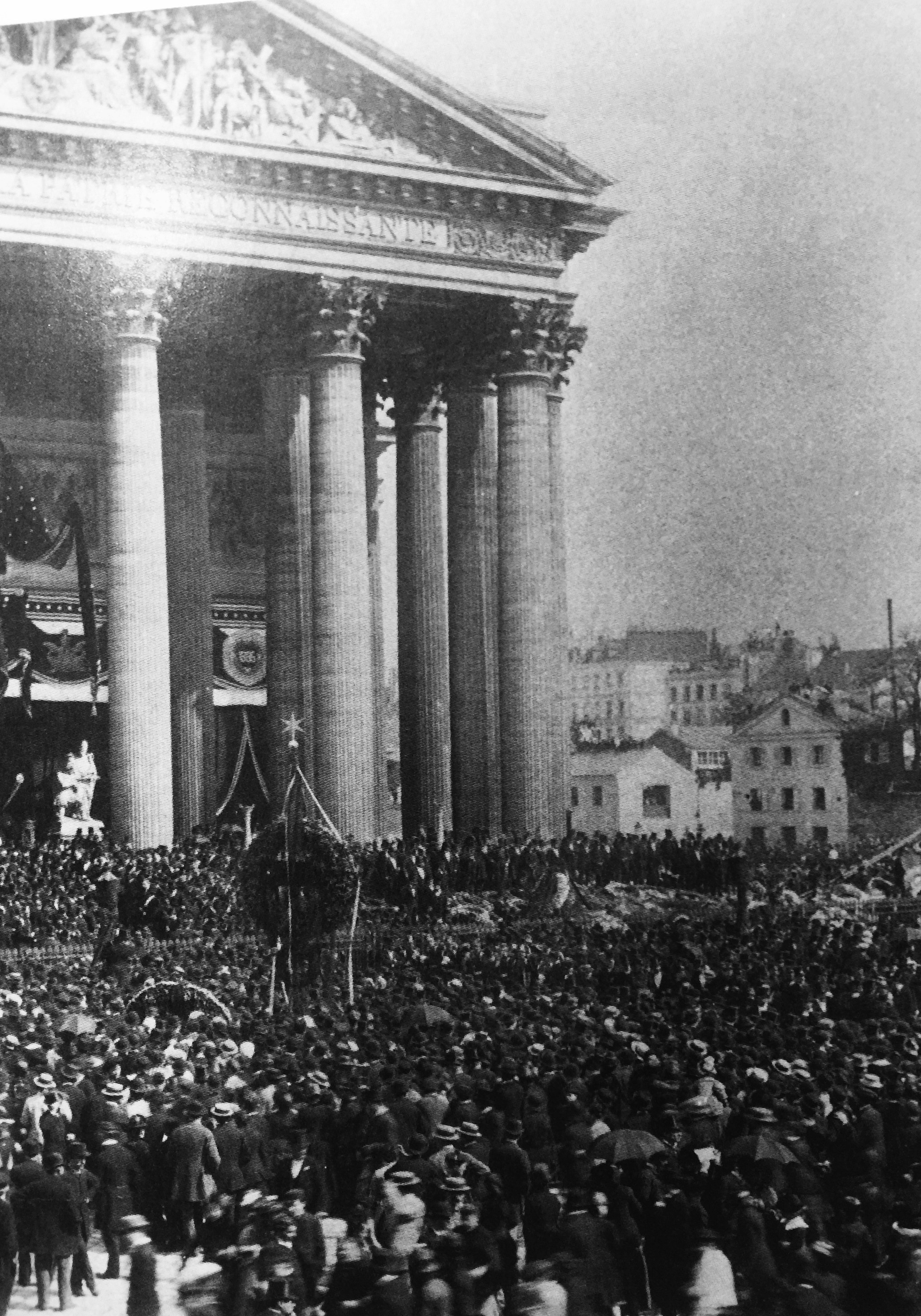
Hugo’s Funeral Procession, Pantheon
Victor Hugo spent his last years as a National Hero, living at 6 Place des Vosges in the Marais section of Paris, which is now the Museum Maison de Victor Hugo. I would highly recommend visiting his home on your next trip to Paris to see his original manuscripts, paintings, and furniture, including his writing desk. One of his most famous poems is displayed in his bedroom and is an ode to his daughter who accidentally drowned in the Seine. The poem describes a visit to Léopoldine Hugo’s grave:
Tomorrow at Day Break
“Tomorrow, at dawn, the moment the countryside is whitened, I will leave./…You see, I know that you wait for me./…I will go through the forest, I will go across the mountains./…I cannot stay far from you any longer./…I will trudge on, my eyes fixed on my thoughts,/…Without seeing what is outside, without hearing a single sound,/…Alone, unknown, back bent, hands crossed,/…Sad, and the day for me will be like the night./…I will not look upon the gold of nightfall, Nor the sails from afar that descend on Harfleur,/…And when I arrive, I will place on your grave/…
A bouquet of green holly and heather in bloom.” Victor Hugo
Further Reading from my posts:
- Victor Hugo’s Poems of the Jardin des Plants:
- Victor Hugo in Paris:
- Translating Victor Hugo: The Art of Being a Grandfather:
- Translating Victor Hugo: A Albert Dürer, My Journey to the French Language:
- My Parisian Journey: Victor Hugo and the Notre Dame Catheral
- Walking the steps of Victor Hugo in Paris:
- My Book Review: Dawn of the Belle Epoque by Mary McAuliffe
- My Book Review: Invisible Code, Honor and Sentiment in Postrevolutionary France 1814-1848
- My Book Review: Literary France by Pricilla Clark
WORKS CITED
Clark, Priscilla P. Literary France. The Making of a Culture ( University of California Press, 1987),
Pendergast, Christopher. Paris and the Nineteenth Century. Blackwell Press: Oxford, 1995
Ravise, J. Suzanne. Tableaux culturels de la France.NTC Publishing, 1995
 My French Quest
Lovely!
Thank you!