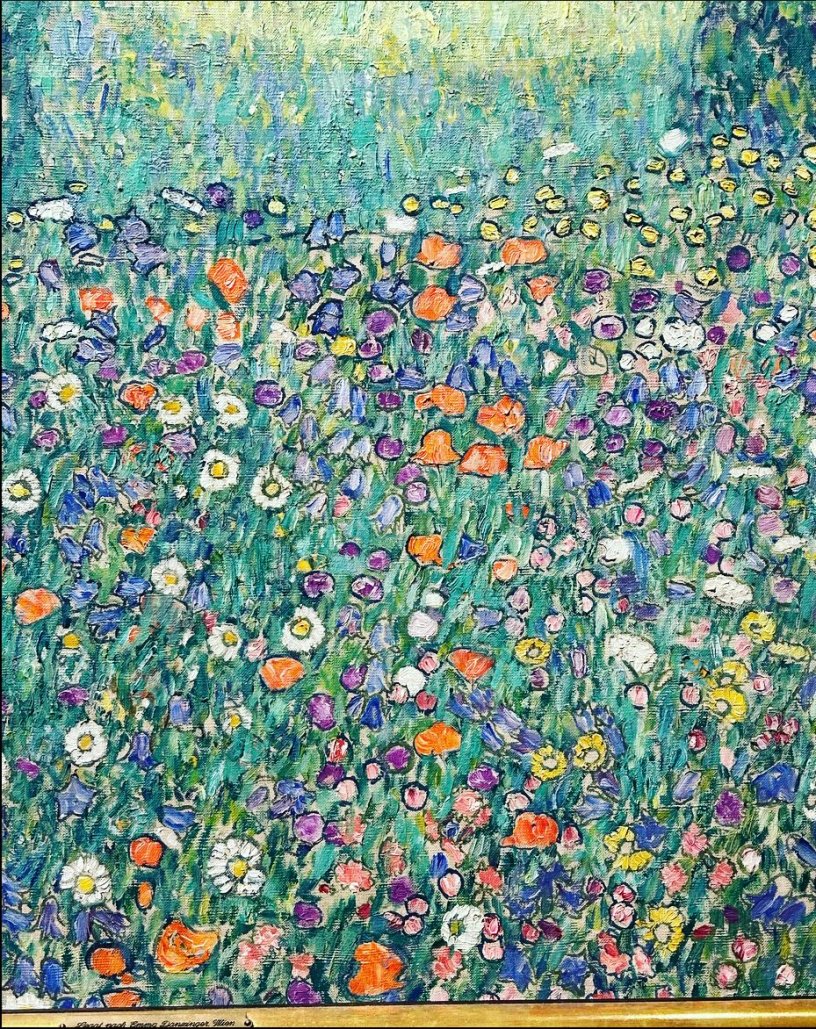
I recently revisited one of my favorite poems by Edgar Allan Poe. As a young reader, (many years ago), I was drawn to Poe’s plots of suspense and intrigue in his poems such as”The Pit and the Pendulum” and “The Tell-Tale Heart”. In my recent readings of his works, I was reminded of two of his lesser-known works that have become my new favorites: “”Three Sundays in a Week” and “The Valley of Unrest”.
In Poe’s “Valley of Unrest”, we find a valley that was once a quiet, peaceful town. Like many towns in the aftermath of war, this valley became desolate as the young men left for war and never returned. Only the “stars” were left to watch over the widows, mothers, fathers, grandparents, and “flowers” of the fields.
Now, the trees “tremble like the cold seas” and the clouds “rustle through the sky without any wind driving them”.
In looking at the scansion and prosody of “Valley”, we see a shift through Poe’s use of meters and rhyme. In setting the mood for “Valley”, a silent graveyard of soldiers, Poe uses a combination of trochaic and dactylic meters with falling lines of intonations to show seriousness in his subject. Poe begins by using the word “once” in italics to set the past in a valley which “smiled with azure towers… mild-eyed stars.., flowers… and red sun-light”(Hollander, 524).
This use of vocabulary gives the reader an impression of a bucolic dell of days gone by. The mood changes, however, as this valley which had been once silent as the soldiers left to fight wars, was “Now…restless”(524). Poe again uses italics to show a change in time and mood. He also changes from rhyming couplets to triplets following the line “Nothing there is motionless” along with very somber vocabulary to show the sadness of the solitude in this graveyard such as: motionless, nothing, solitude, uneasily, unquiet, weep, nameless and, tears. Every visitor now can feel the presence of the buried soldiers in this graveyard. The only motion is from the trees which “palpitate like the chill seas around the misty Hebrides”(525)!
The imagery of the final lines of lilies weeping about the “nameless graves—from off their delicate stems” includes the personification of the dew taking the form of tears falling from the petals, crying for the lost lives of the soldiers. Poe closes with the future adjective “Perennial” to give this valley permanence in order to reflect and honor the fallen (525). In “The Valley of Unrest”, Poe gives the reader a glimpse into his boyhood experience of standing in this very graveyard with his parents. Sharing these experiences is a gift to readers as described by Poe,” Here I stood; I loved the world enough to write it all down.”
The Valley of Unrest
Once it smiled a silent dell
Where the people did not dwell;
They had gone unto the wars,
Trusting to the mild-eyed stars,
Nightly, from their azure towers,
To keep watch above the flowers,
In the midst of which all day
The red sun-light lazily lay.
Now each visitor shall confess
The sad valley’s restlessness.
Nothing there is motionless—
Nothing save the airs that brood
Over the magic solitude.
Ah, by no wind are stirred those trees
That palpitate like the chill seas
Around the misty Hebrides!
Ah, by no wind those clouds are driven
That rustle through the unquiet Heaven
Uneasily, from morn till even,
Over the violets there that lie
In myriad types of the human eye—
Over the lilies there that wave
And weep above a nameless grave!
They wave:—from out their fragrant tops
External dews come down in drops.
They weep:—from off their delicate stems
Perennial tears descend in gems.
Works Cited
Hollander, John. American Poetry: The Nineteenth Century, Vol. 1: Phillip Freneau to Walt Whitman
(1993). Library of America. Print. 524-525
.

